Overview:
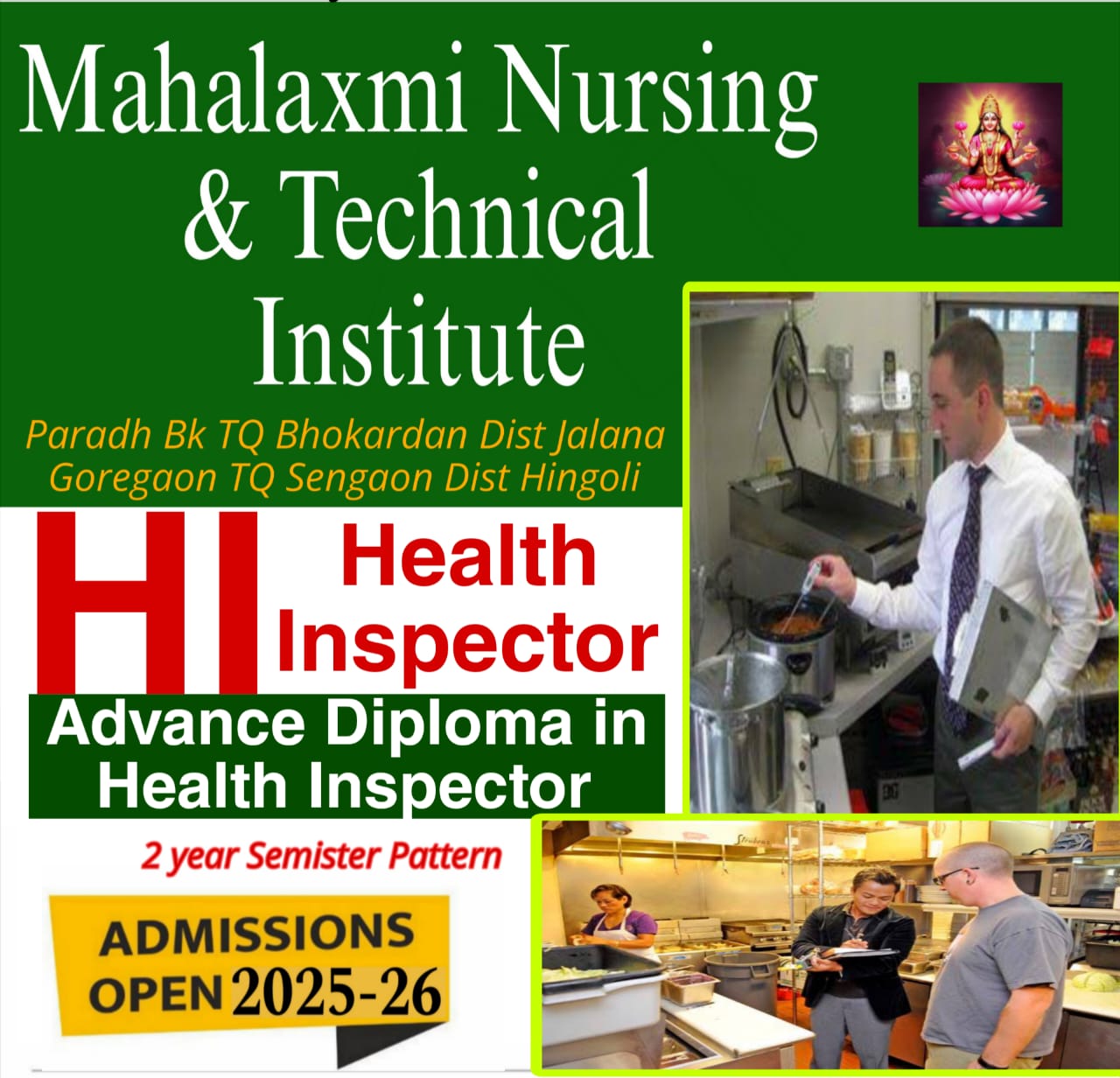
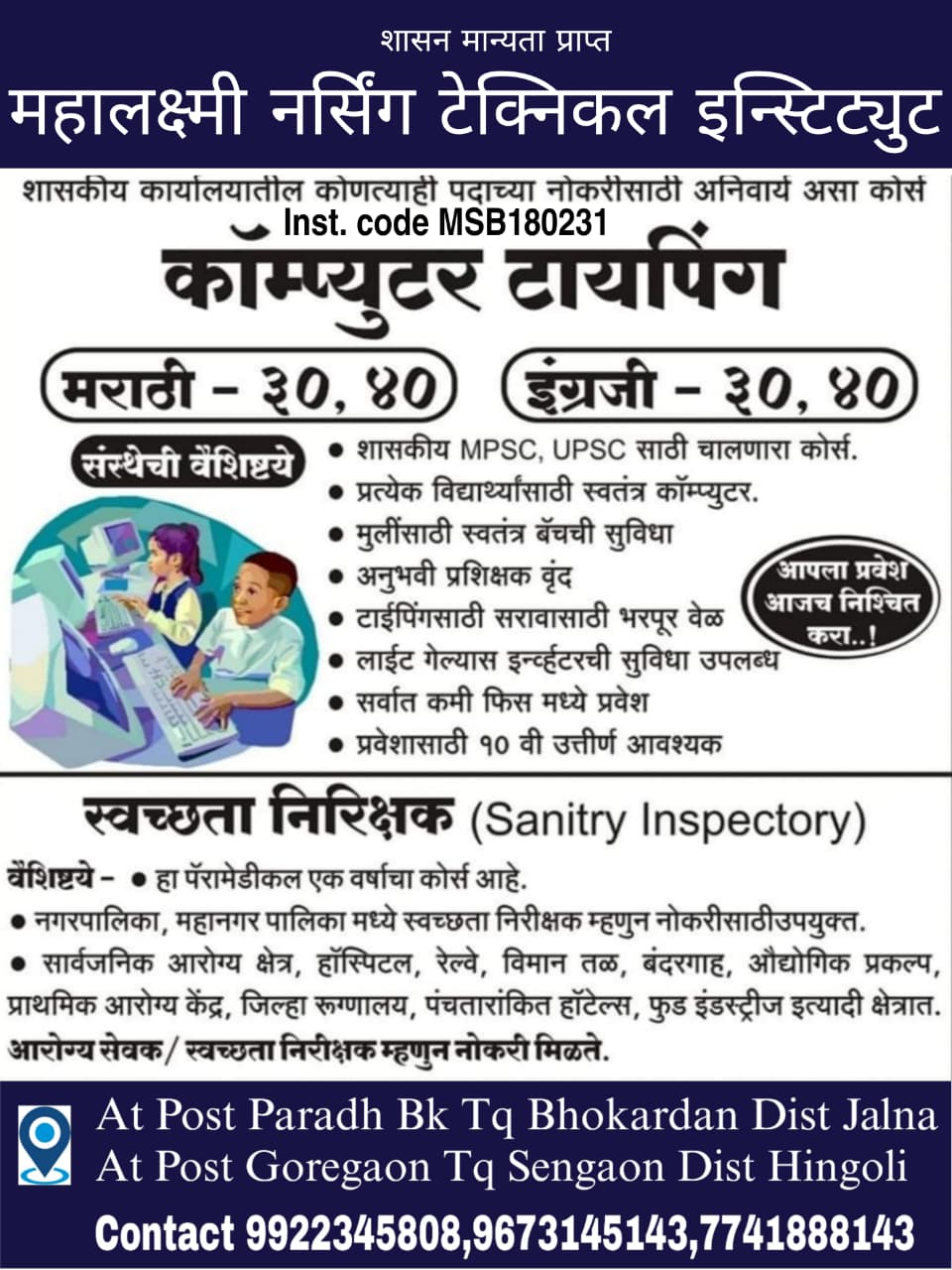
Advance Diploma In Health Inspector Eligibility Criteria 12th Arts Commerce Science An Advanced Diploma in Health Inspector (also known as Sanitary Inspector) is a professional program focused on public health and sanitation, equipping individuals with the skills to work in various settings, including healthcare, hospitality, and food processing. These courses typically cover topics like public health, hygiene, sanitation, disease prevention, and waste management, along with relevant legal and regulatory frameworks. Key aspects of the course include: Comprehensive Curriculum: The curriculum includes theoretical knowledge and practical training in health and sanitation, covering areas like community health, environmental health, food safety, and waste management. Public Health Role: Health Inspectors play a critical role in maintaining public health by ensuring compliance with health and safety regulations, conducting inspections, and promoting hygiene practices. Job Opportunities: Graduates find opportunities in various sectors, including government health departments, hospitals, food processing units, and hospitality industries. Career Advancement: With experience, individuals can advance to managerial positions like Health Inspector, Sanitation Inspector, or Food Inspector. Government Recognition: The course is often recognized by government bodies like the National Skill Development Corporation (NSDC), adding to its credibility and value. Specifics of the course: Duration: Typically 1-2 years, sometimes divided into semesters, with a mix of theory and practical assessments. Course Content: Includes topics like vector control, solid waste management, food safety and hygiene, public health and epidemiology, and occupational health and safety. Evaluation: Includes written exams, practical assessments, internal assessments (reports, tutorials, assignments), and viva voce. Eligibility: Often open to graduates from any discipline. An Advanced Diploma in Health Inspector (or Sanitary Inspector) offers several benefits, including diverse job opportunities, career stability, and the chance to contribute to public health. Graduates can work in various settings like municipal corporations, healthcare facilities, and food establishments, ensuring hygiene and safety standards. The field also offers opportunities for career advancement and further education. Here's a more detailed look at the benefits: 1. Job Security and Diverse Career Options: Wide Range of Employers: Health Inspectors are in demand in both public and private sectors, including municipal corporations, hospitals, hotels, diagnostic centers, and food processing units. Various Roles: Graduates can work as Health Inspectors, Sanitary Inspectors, Public Health Inspectors, Environmental Health Officers, and Food Safety Officers. Essential Service: Health and safety are crucial, ensuring a steady demand for qualified professionals in this field. 2. Contribution to Public Health: Maintaining Hygiene: Health Inspectors play a vital role in maintaining hygiene and sanitation in public places, preventing the spread of diseases and ensuring a safe environment. Enforcing Regulations: They ensure compliance with public health rules and regulations, contributing to the overall well-being of the community. Public Health Initiatives: Graduates can participate in government programs and initiatives focused on public health and sanitation. 3. Career Advancement and Further Education: Supervisory Roles: With experience, health inspectors can move into supervisory positions, managing teams and overseeing health and safety programs. Policy Development: Experienced professionals can also contribute to developing health policies and regulations. Teaching and Training: With further education, they can become instructors in colleges or conduct training programs for new inspectors. Further Studies: Graduates can pursue further education like B.Sc. or M.Sc. for career advancement. 4. Skills and Knowledge: Essential Skills: The course equips students with critical thinking, problem-solving, and communication skills, valuable in any professional setting. Specialized Knowledge: Students gain expertise in areas like community health, environmental health, nutrition, and healthcare. 5. Salary and Compensation: Entry-Level Salaries: Freshers can expect salaries ranging from INR 2 to 4 Lakhs per annum, with potential for growth. Experience and Location: Salaries can increase with experience, expertise, and location. Potential for Higher Earnings: Experienced professionals can earn higher salaries, with some earning INR 50,000 to INR 1,00,000 per month according to Swaasa Jobs. Government Benefits: Government employees may receive additional benefits like job security, pension, and medical allowances.
This includes following
Register Here
-
 Videos
-
4 Chapter
-
Duration:24 Month
-
NA hour
-
Certificate : Yes