Overview:
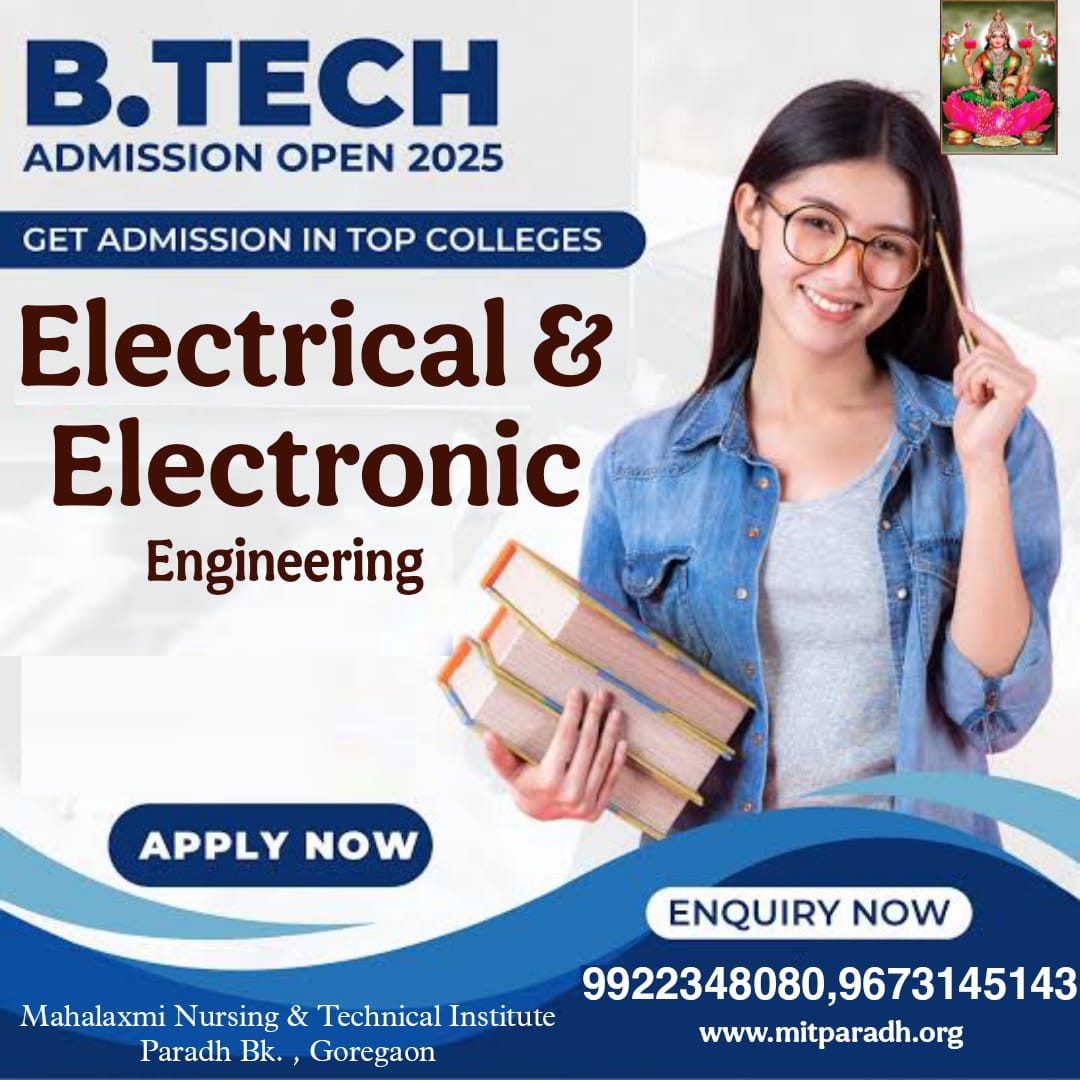
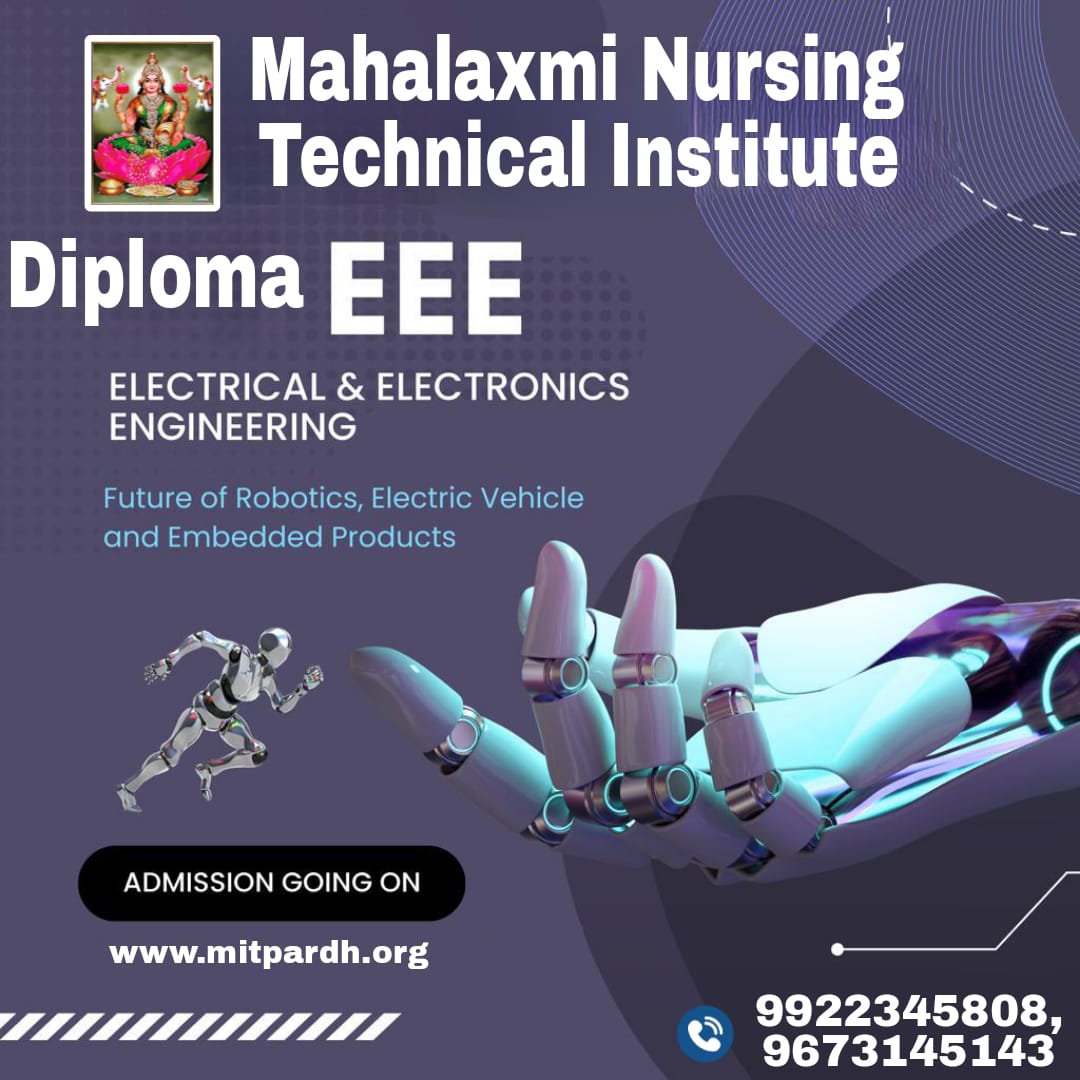
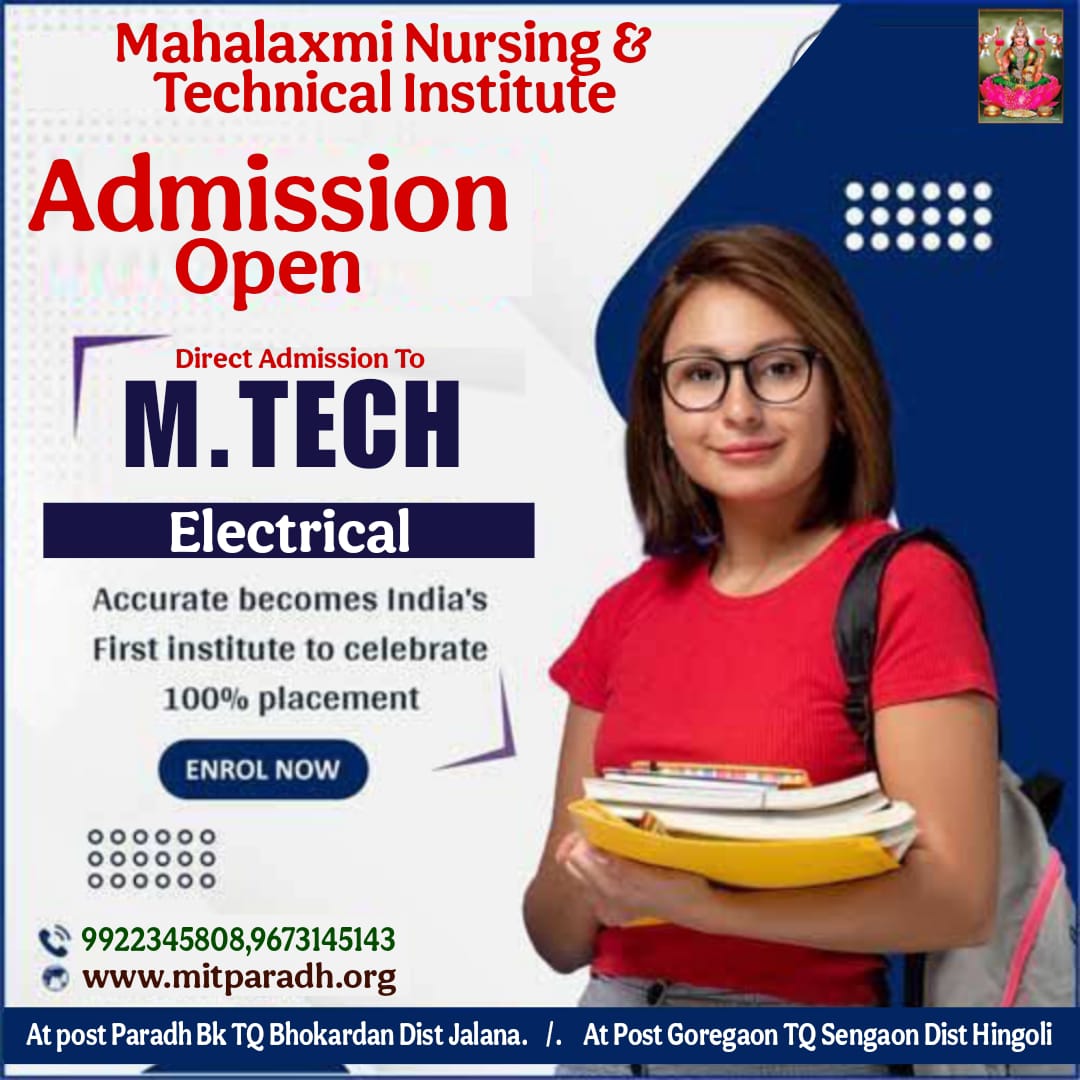
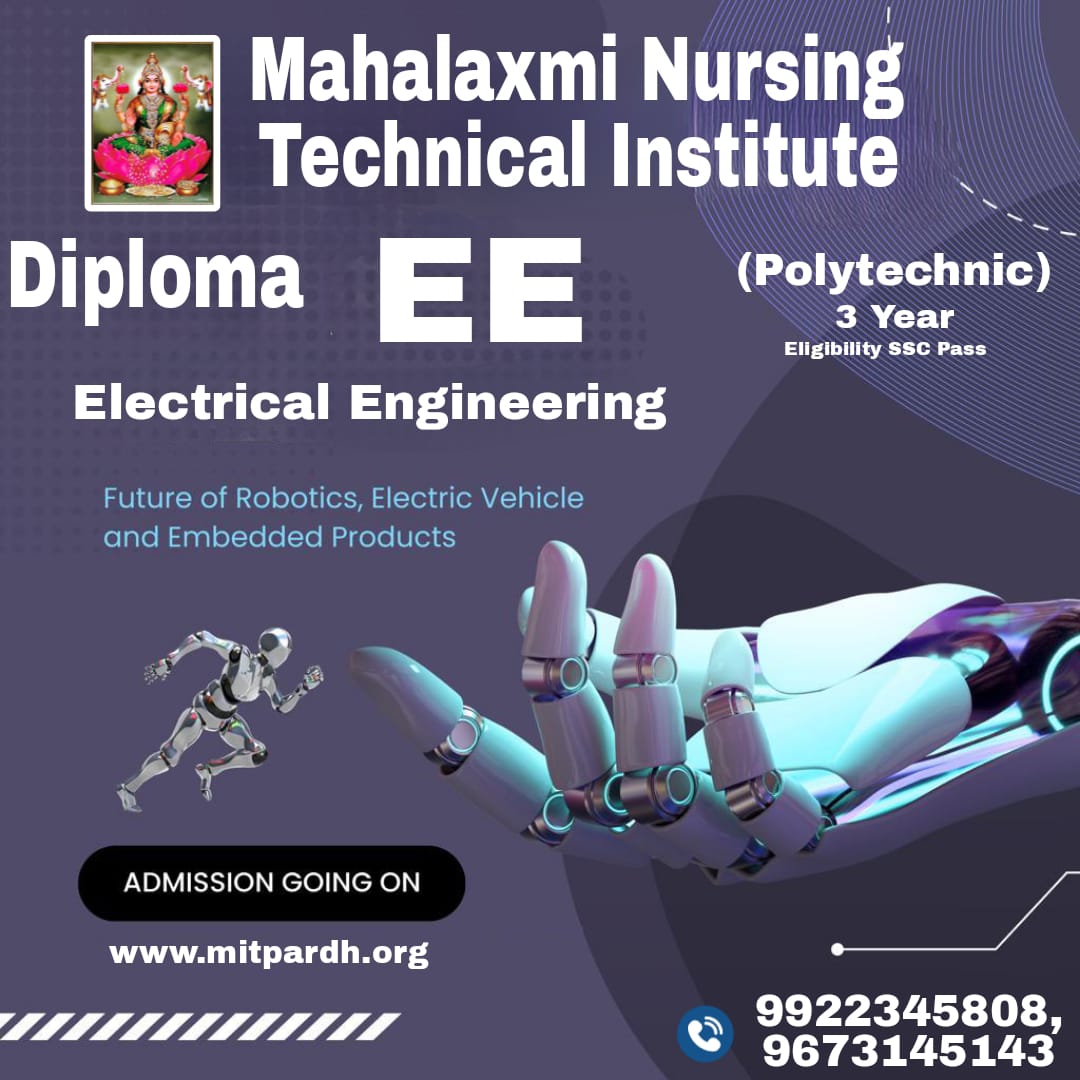
BTech In Electrical Eligibility Criteria 12th Science Pass With MHT-CET BTech in Electrical Engineering is a 4-year undergraduate degree focused on the principles of electricity, electronics, and electromagnetism, covering topics like power systems, control systems, and digital electronics to prepare students for careers in industries such as energy, automation, and manufacturing, with eligibility typically requiring 10+2 with Physics, Chemistry, and Mathematics (PCM). What You'll Learn The curriculum of a BTech Electrical Engineering program covers a broad range of subjects, including: Core Electrical Concepts: Circuit theory, electromagnetic fields and waves, and electrical machines. Electronics: Power electronics and digital electronics. Control and Automation: Control systems, microprocessors, and microcontrollers. Power Systems: Generation, distribution, and renewable energy systems. Signals and Systems: Signal processing and its applications. Eligibility Educational Background: You typically need to have completed your 10+2 (or equivalent) with Physics, Chemistry, and Mathematics (PCM). Minimum Marks: Many institutions require a minimum percentage, such as 50-60% in your 10+2 exams. Career Prospects BTech Electrical Engineering graduates find opportunities in a diverse range of sectors and roles: Industry: Work in energy-related industries, automation, manufacturing, and the IT sector. Specific Roles: Design engineer, maintenance engineer, test engineer, power systems engineer, and automation engineer. Companies: You can find employment with major companies like Siemens, Tata, and Reliance, as well as in research organizations like ISRO. Further Studies: Graduates can also pursue higher studies or entrepreneurship in India and abroad. A BTech in Electrical Engineering offers a versatile and secure career with high earning potential across various industries, including energy, telecommunications, manufacturing, and consumer electronics. Graduates benefit from strong job demand, opportunities for specialization in areas like renewable energy and automation, global career prospects, and the ability to work in both the public and private sectors. The field also provides a solid foundation for entrepreneurial ventures and the development of practical, hands-on skills. Career Opportunities Diverse Industries: Electrical engineers are in demand in almost every sector, including power generation, transmission, and distribution, telecommunications, automation, robotics, transportation (like electric vehicles), aerospace, defense, and the consumer electronics industry. Government and Private Sectors: Graduates can find roles in public sector units, government departments, and private companies. Research and Development: Opportunities exist to work on cutting-edge projects in research institutions and companies. Skills and Knowledge Technical Expertise: The curriculum provides in-depth knowledge of electrical systems, power, and control. Problem-Solving Skills: Students develop the ability to apply theoretical knowledge to solve practical problems. Hands-On Experience: Many programs include industrial visits and live projects to provide real-world, practical experience. Personal & Professional Growth High Demand and Stability: The continuous expansion of the tech industry ensures a high demand for skilled electrical engineers, making the career more recession-proof and stable. Specialization: The field is multidimensional, allowing for specialization in emerging areas such as renewable energy systems, electric vehicles, and AI-driven automation. Entrepreneurship: The degree equips graduates with the knowledge and skills to develop innovative products and start their own tech companies. Global Scope: Electrical engineering skills are highly valued globally, opening up international career opportunities.
This includes following
Register Here
-
 Videos
-
8 Chapter
-
Duration:48 Month
-
NA hour
-
Certificate : Yes