Overview:
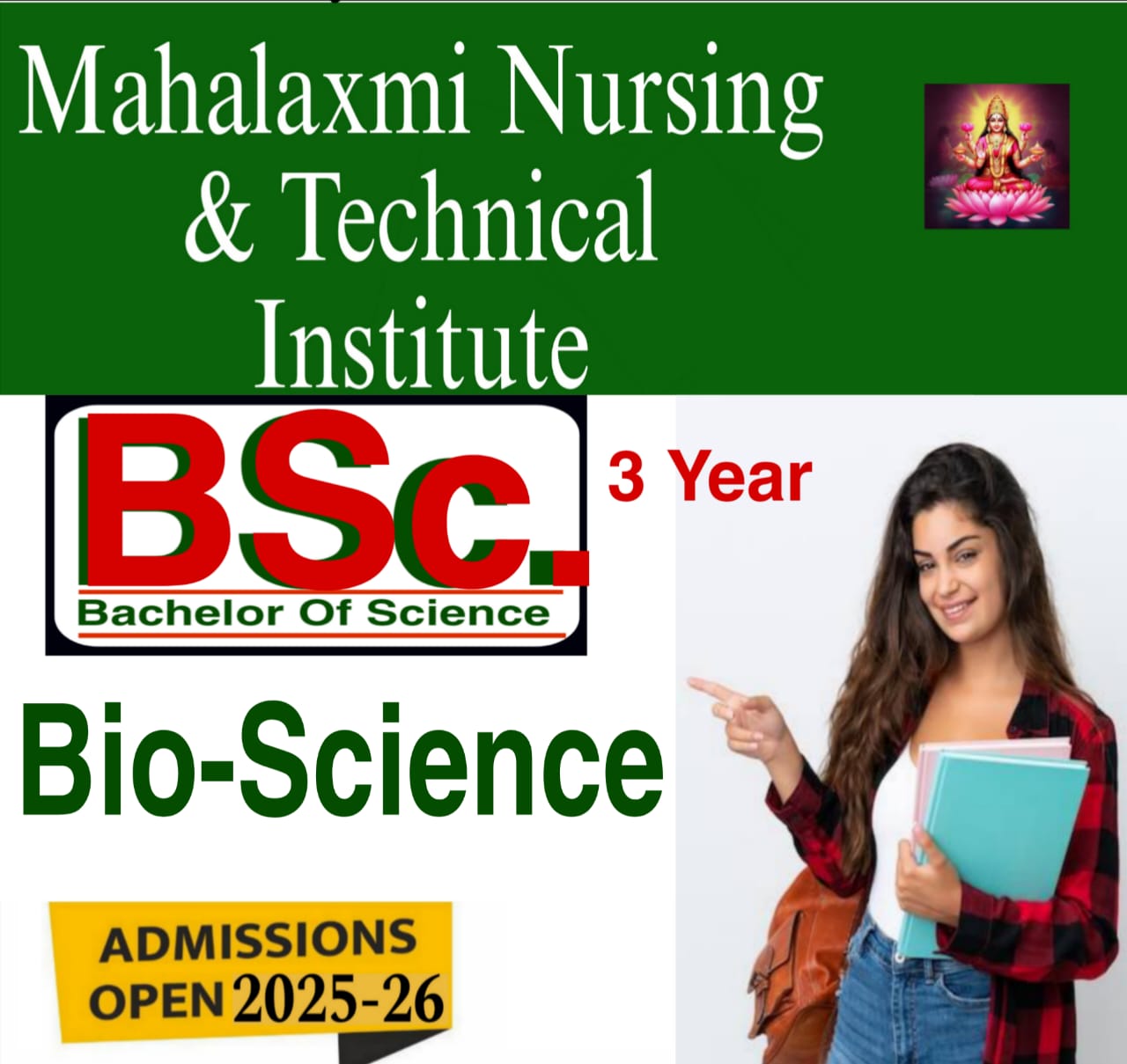
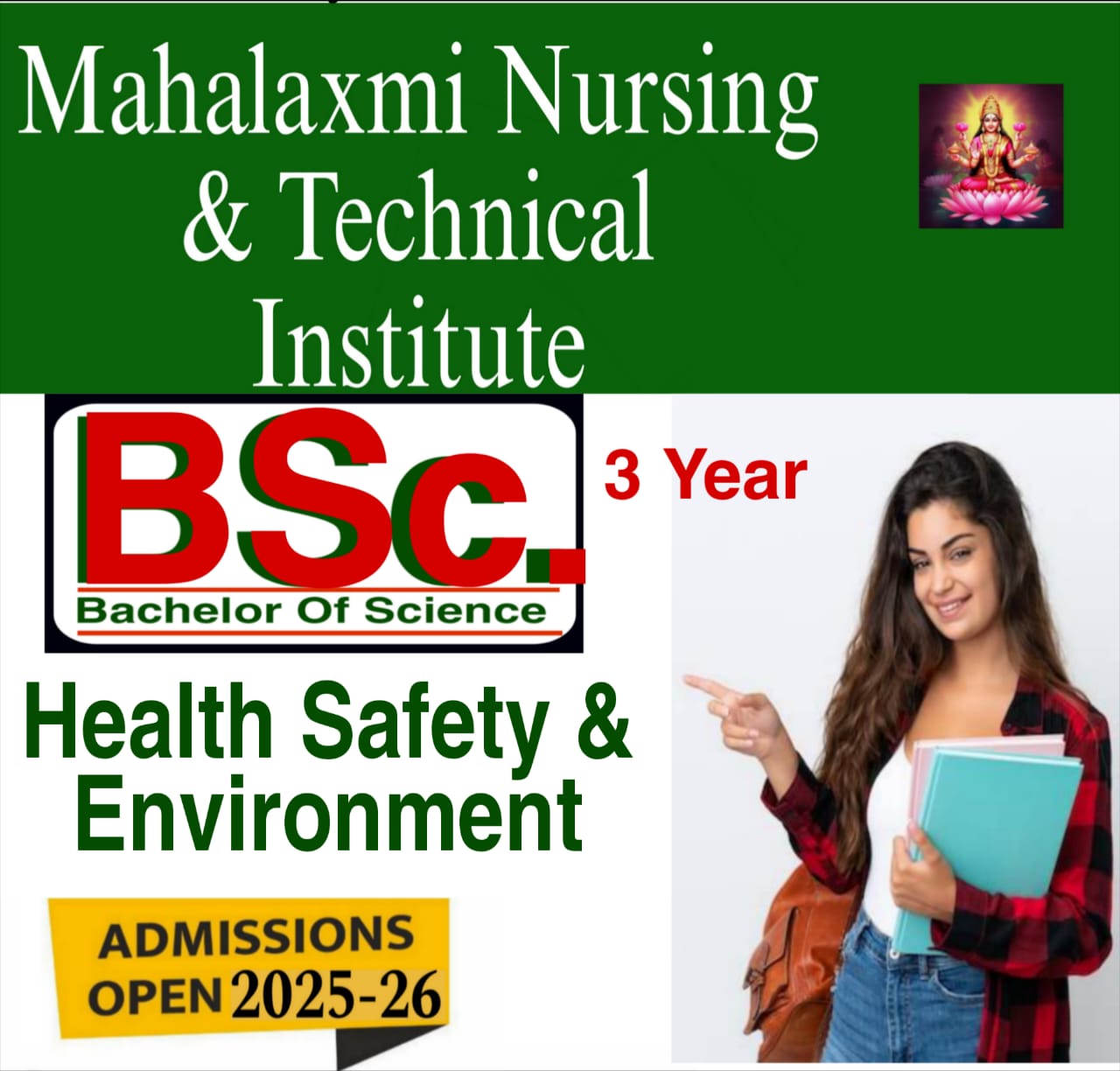
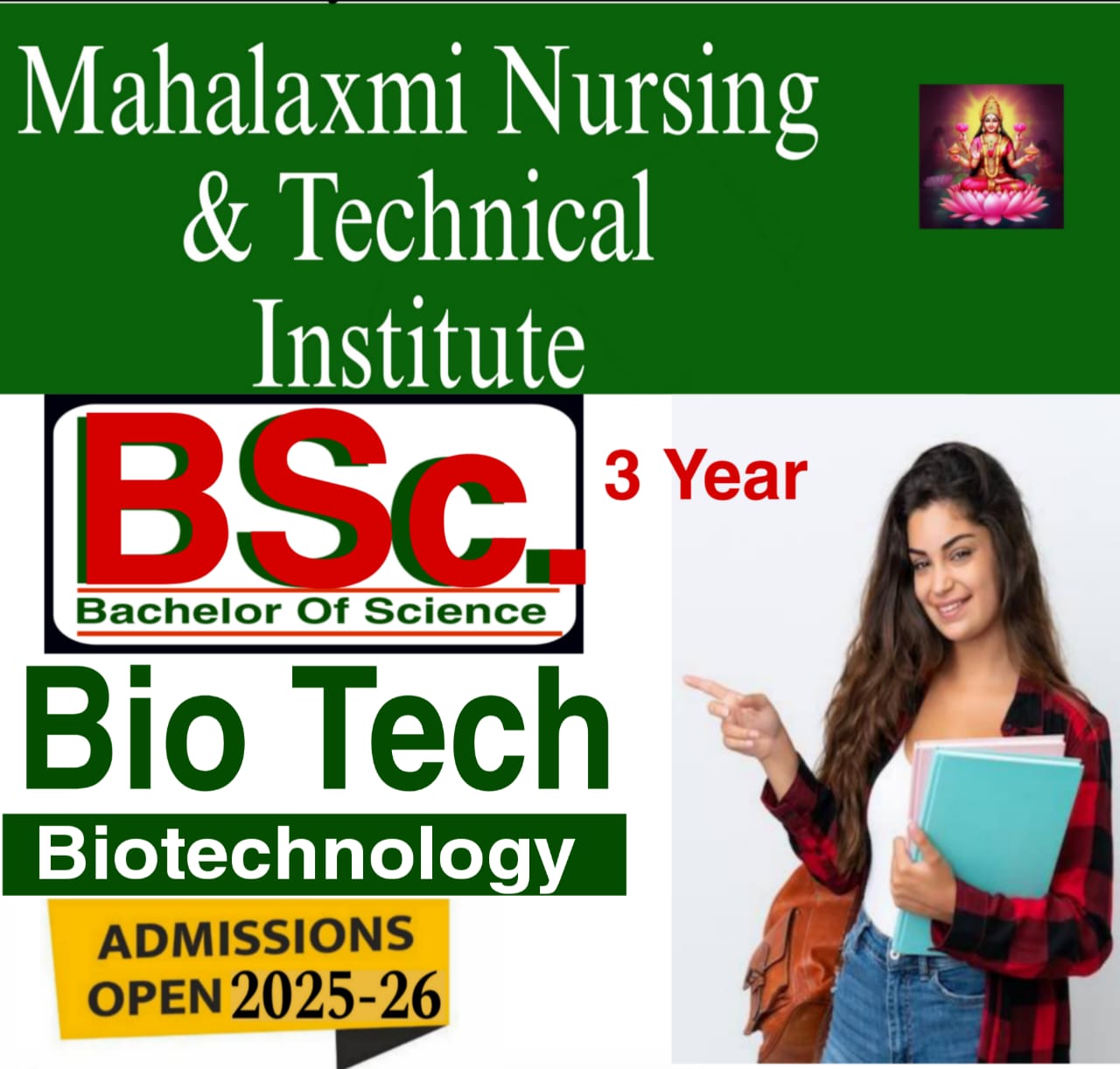
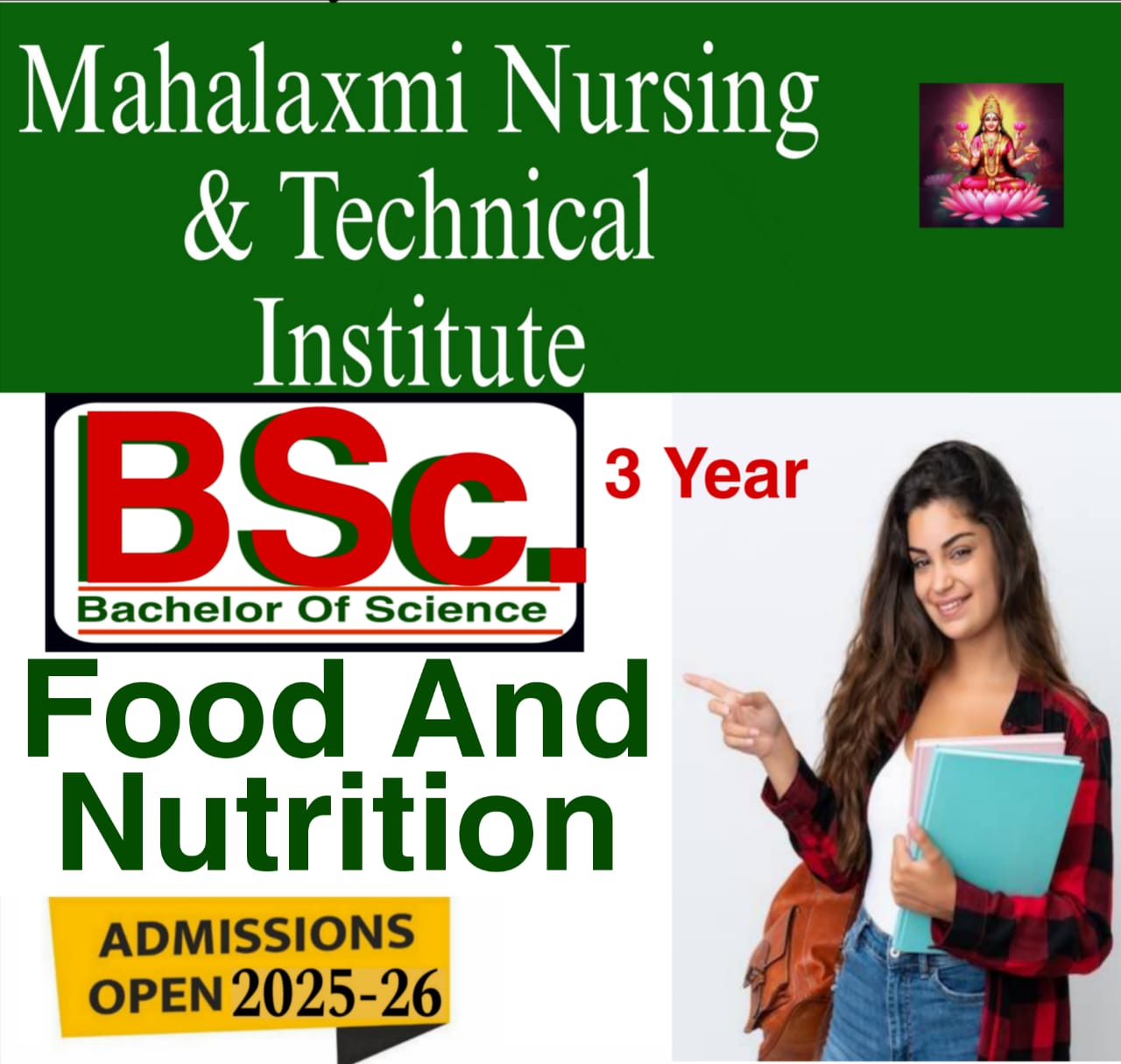
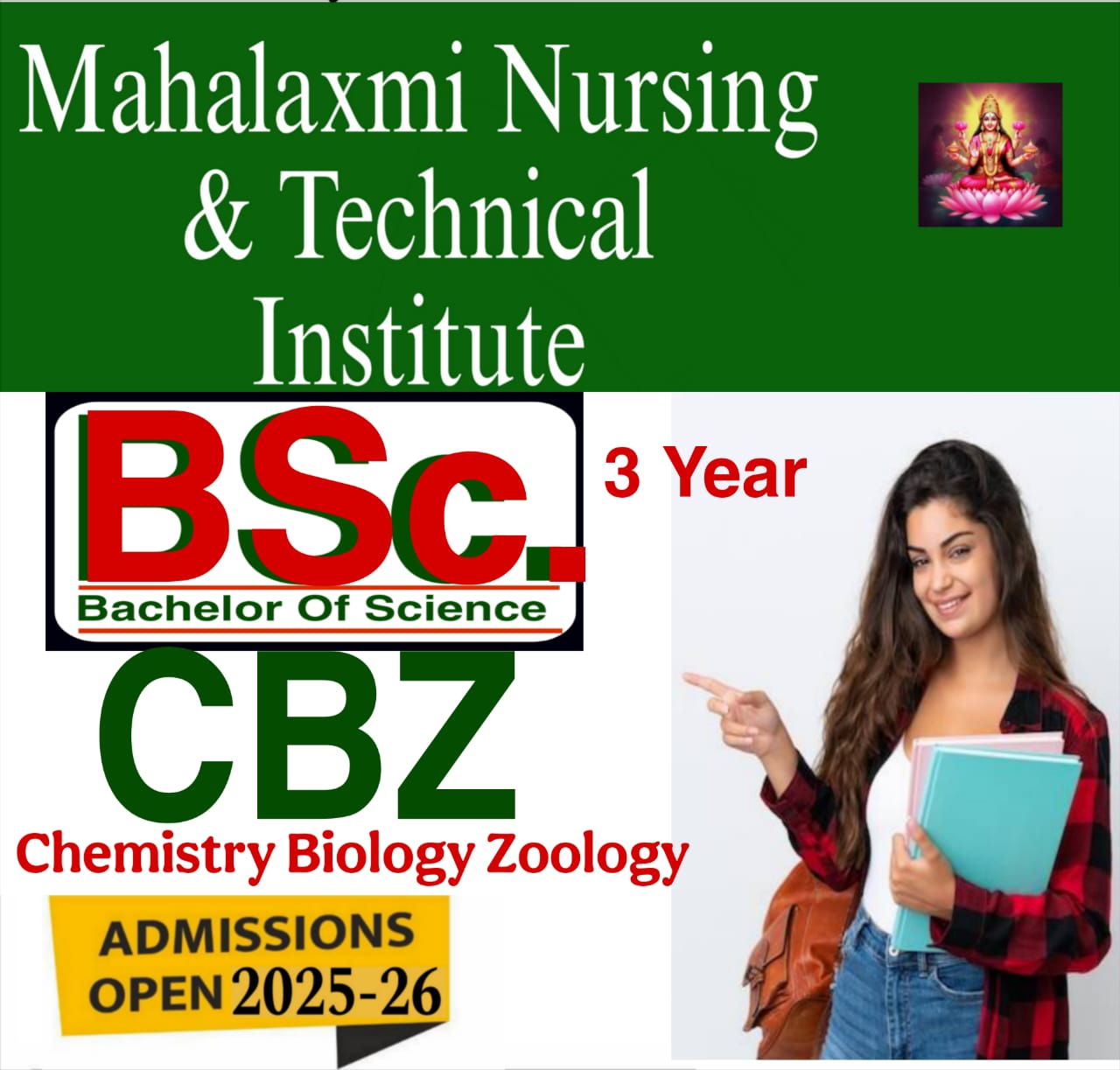
Bachelor Of Science Bio Science Eligibility Criteria 12 th Science Pass Semester Pattern A Bachelor of Science in Biological Science (often shortened to BSc Bio Science) is an undergraduate degree focused on the study of living organisms and their vital processes. It's a broad field that encompasses various disciplines like ecology, botany, genetics, and more. The program typically spans three years and involves studying the principles of life, including its formation, structure, function, and evolution. Key aspects of a BSc Bio Science degree: Core Subjects: Students delve into fundamental biological concepts like cell theory, genetics, and homeostasis. Specializations: The degree offers opportunities to specialize in areas like ecology, botany, genetics, or even more focused fields like biochemistry or molecular biology. Practical Skills: Many programs emphasize hands-on laboratory work and the use of scientific equipment, providing valuable practical skills for research and other career paths. Career Paths: Graduates can pursue careers in research, healthcare, environmental science, education, and various other fields. In simpler terms: Think of it as a deep dive into the world of living things. You'll learn about how plants and animals work, how they interact with each other and their environment, and how they change over time. This knowledge can then be applied to solve problems, understand the natural world, or prepare for further studies in specialized areas of biology. Career Opportunities: Research: BSc graduates can work as research assistants, lab technicians, or pursue further studies (MSc, PhD) for research-focused careers. Healthcare: The degree provides a solid foundation for careers in medicine, dentistry, or other health-related professions. Industry: Graduates can find roles in pharmaceutical companies, biotechnology firms, food science, and environmental science organizations. Government Sector: Opportunities exist in government testing labs, research institutes, and agencies related to biotechnology, agriculture, and conservation. Academia: Some graduates become high school teachers or teaching assistants at universities. Other sectors: Skills acquired in a BSc in Biology are also transferable to areas like finance, data analysis, management, and marketing. Skills Development: Scientific Method: The curriculum emphasizes scientific methods, analytical thinking, and problem-solving, fostering a strong foundation for scientific inquiry. Practical Experience: Many programs include lab work, fieldwork, and internships, providing hands-on experience. Critical Thinking: The rigorous coursework and research opportunities encourage the development of critical thinking and analytical skills. Transferable Skills: BSc graduates develop strong communication, data analysis, and problem-solving skills, which are valuable in various professional settings.
This includes following
Register Here
-
 Videos
-
6 Chapter
-
Duration:36 Month
-
NA hour
-
Certificate : Yes