Overview:
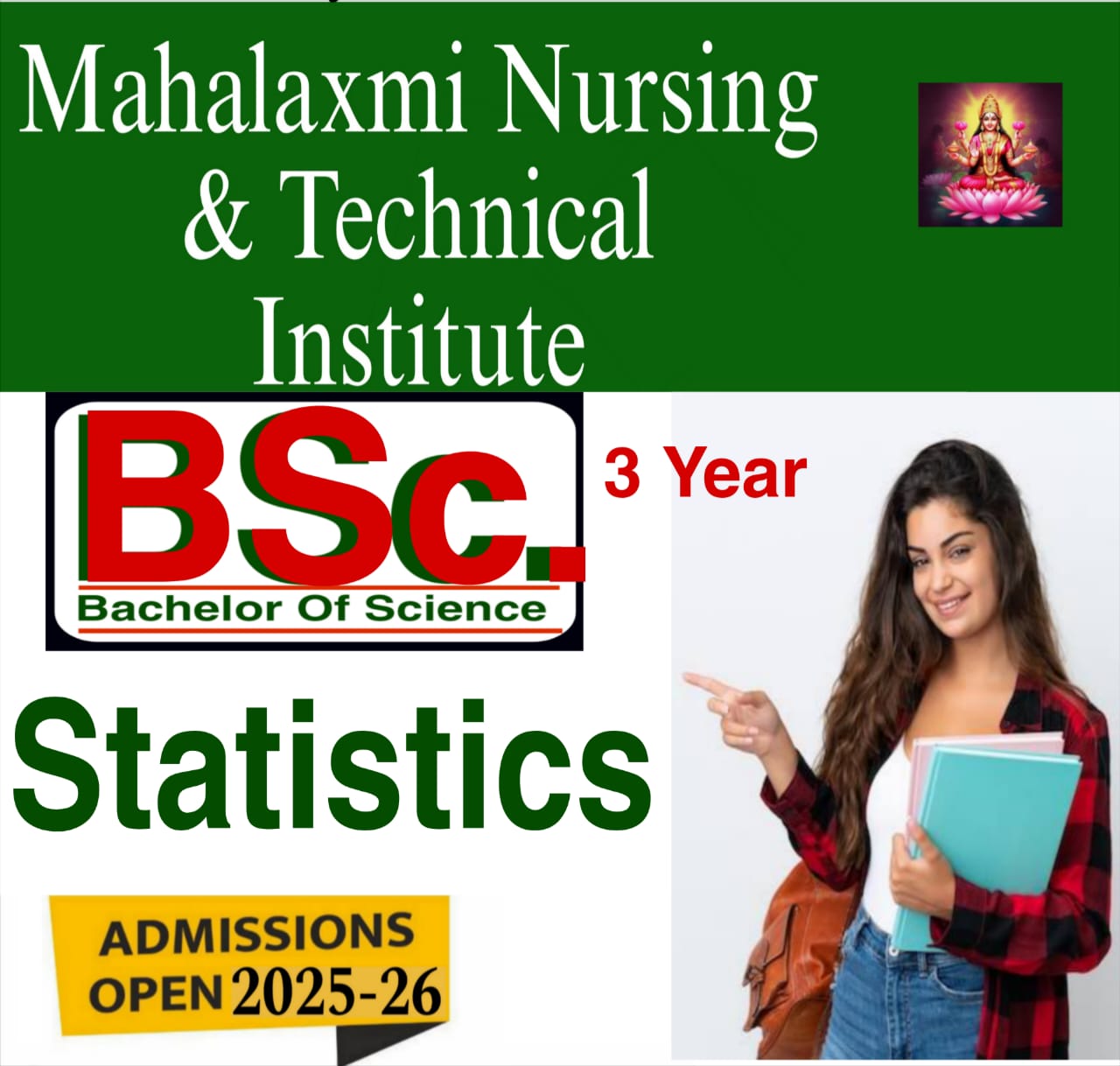
MSc In Statistics Eligibility Criteria Graduation in Relevant Stream (BSc.Relevant Stream) An MSc in Statistics is a two-year postgraduate degree focusing on advanced statistical theory, methods, and practical applications, often requiring a Bachelor's degree in a related field. The program equips students with skills in data collection, analysis, and interpretation, using statistical software and preparing them for roles as statisticians, analysts, and data scientists in various sectors like finance, healthcare, and IT. Key Aspects of an MSc in Statistics Curriculum: Covers core subjects like probability theory, regression analysis, experimental design, and multivariate analysis, alongside statistical computing, machine learning, and specialized topics like time series analysis. Skills Developed: Students gain theoretical knowledge, develop analytical and critical thinking skills, and become proficient in applying statistical tools and software to solve real-world problems. Career Opportunities: Graduates find roles in sectors such as: Banking, Financial Services, and Insurance (BFSI) Information Technology (IT) Healthcare Marketing Consultancy Data Science Job Titles: Common positions include Statistician, Business Analyst, Investment Analyst, Risk Analyst, and Data Scientist. Admission Process Eligibility: A Bachelor's degree in Statistics or an equivalent degree with a minimum aggregate (e.g., 50%) from a recognized university is typically required. Entrance Exams: Admission is often based on entrance examinations, with popular exams including IIT JAM, CUET-PG, and others. Merit-Based Admission: Some institutions also offer admission based on merit from the previous qualifying degree. What You'll Study Theoretical Foundations: You'll delve into the fundamental principles of statistical inference, probability theory, and theoretical statistics. Practical Applications: The program emphasizes applying these theories to real-world data challenges, focusing on areas like economics, finance, and social sciences. Computational Skills: You will learn to use statistical software and programming languages such as R and Python for statistical analysis. An MSc in Statistics offers a high demand for expertise in data analysis, leading to diverse and high-paying career opportunities in fields like data science, finance, healthcare, and research. The degree develops valuable skills in programming languages like R and Python, problem-solving, and data interpretation, making graduates adaptable to nearly every industry and fostering career growth into specialized and lucrative roles. Career Benefits & Opportunities Broad Industry Applicability: A statistics degree is applicable across nearly every sector, including finance, technology, healthcare, pharmaceuticals, and government. High Demand: There is a constant and growing demand for skilled statisticians and data scientists in our data-driven world. Specialized Roles: Graduates can specialize in areas like biostatistics, financial modeling, risk analysis, or data analytics, leading to niche and high-value positions. Lucrative Career Paths: The advanced skills gained often lead to more lucrative roles and higher salaries compared to less specialized fields. Skills & Knowledge Gained Data Analysis Expertise: You'll learn to analyze and interpret complex data, identifying trends and generating actionable insights. Programming Skills: Proficiency in programming languages like R, Python, and SAS is developed, which is highly valued in the industry. Problem-Solving: Statistics develops strong analytical and problem-solving skills, essential for tackling real-world challenges in any field. Transferable Skills: The coursework develops general skills such as data gathering, research, teamwork, and effective communication of findings. Advancement & Growth Career Flexibility: The transferable skills acquired make statisticians highly adaptable, allowing them to switch between industries or specialize further. Credibility: An MSc provides "proof in the pudding" for employers, demonstrating a strong grasp of data science theories and their practical application. Academic or Research Pursuits: A graduate degree can open doors to careers in academia, allowing graduates to contribute to the advancement of statistical methods and teaching.
This includes following
Register Here
-
 Videos
-
6 Chapter
-
Duration:36 Month
-
NA hour
-
Certificate : Yes