Overview:
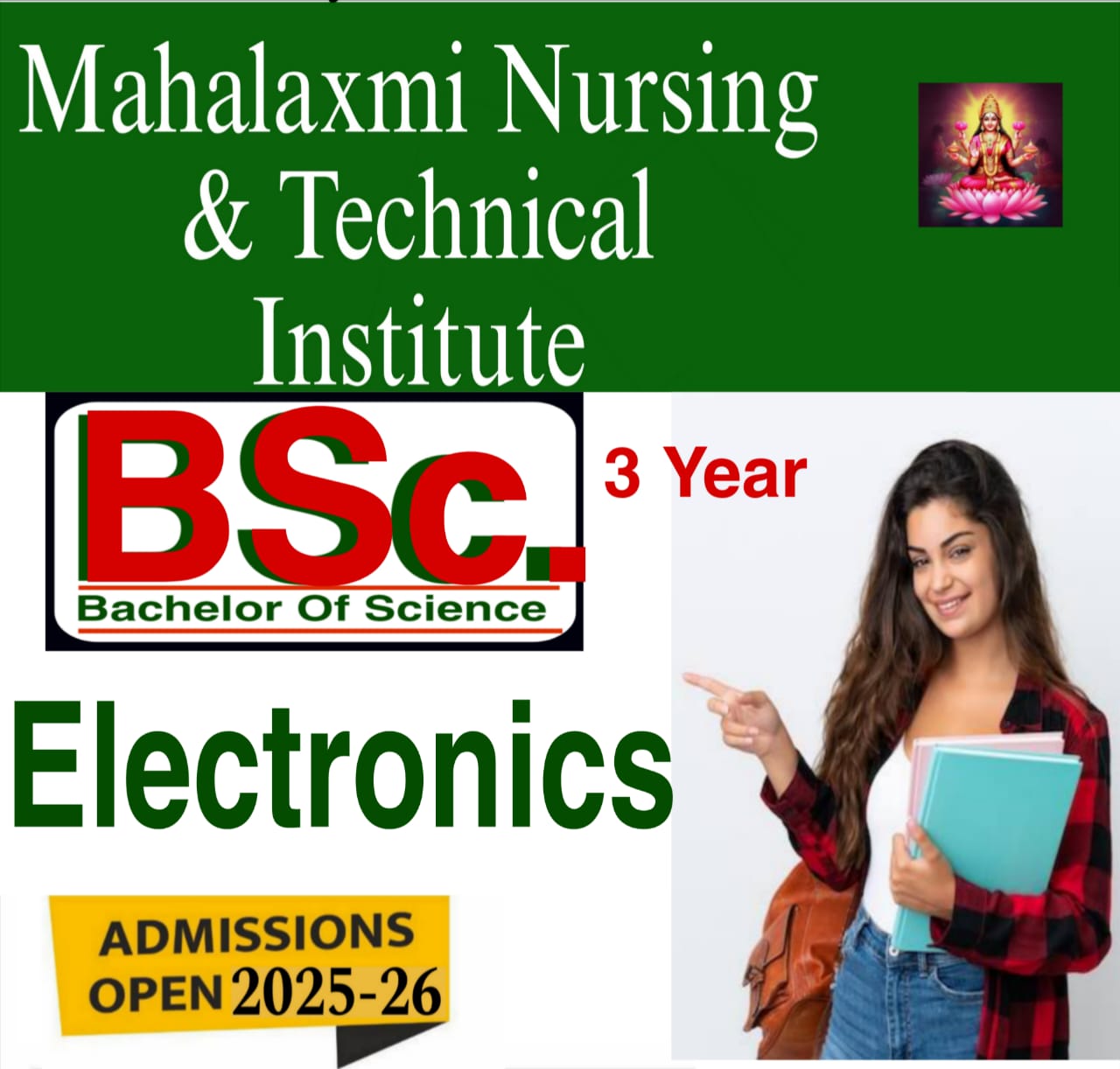
Bachelor Of Science Electronics Eligibility Criteria 12 th Science Pass Semester Pattern A Bachelor of Science in Electronics (B.Sc. Electronics) is an undergraduate degree program that focuses on the study of electronic devices, circuits, and systems. It's a technical course combining theoretical knowledge with practical skills, preparing students for careers in various electronics-related fields. The program typically spans three years and covers fundamental and advanced concepts in electronics, including digital and analog circuits, microprocessors, communication systems, and more. Here's a more detailed look: What you'll study: Core Concepts: Basic electronics, digital electronics, analog circuits, circuit analysis, microprocessors, and semiconductor devices. Applications: Telecommunications, consumer electronics, process control, embedded systems, and control systems. Practical Skills: Hands-on experience in designing, analyzing, and troubleshooting electronic systems. Related Fields: May include subjects like computer networks, power electronics, and communication technologies, depending on the institution. Career Paths: A B.Sc. in Electronics opens doors to various career opportunities, including: Service Engineer: Repairing and maintaining electronic equipment. Broadcast and Sound Technician: Setting up and operating audio and video equipment. Electronics Technician: Assisting in the design, development, and testing of electronic systems. Technical Leader/Project Manager: Overseeing projects involving electronic systems. Sales and Marketing: Working with electronic products in sales and customer service roles. Further Education: Pursuing a Master's degree (M.Sc.) or Ph.D. in Electronics or related fields. Key Differences: B.Sc. Electronics vs. B.Tech Electronics: While both involve electronics, a B.Tech (Bachelor of Technology) is more focused on engineering principles and design, while a B.Sc. is more focused on the scientific and theoretical aspects. B.Sc. Electronics vs. B.Sc. (Hons.) in Electronic Science: A B.Sc. (Hons.) in Electronic Science may have a more specialized curriculum, delving deeper into specific areas like embedded systems, advanced computer and data communication, or even robotics. A Bachelor of Science in Electronics (B.Sc. Electronics) offers diverse career opportunities, strong problem-solving skills, and the potential for high earning. Graduates can work in various sectors like telecommunications, IT, aerospace, and healthcare, and may pursue roles such as service engineer, technician, or consultant. The degree also provides a foundation for further studies like an M.Sc. in Electronics or a Ph.D. in related fields. Benefits of a B.Sc. Electronics Degree: Diverse Career Paths: The field of electronics is constantly evolving, leading to numerous job opportunities in both the public and private sectors. Graduates can find roles in: Telecommunications: Working with networks, communication systems, and related technologies. IT and Software: Developing and maintaining electronic systems and software used in various applications. Aerospace and Aviation: Contributing to the design and maintenance of aircraft systems and related technologies. Healthcare Technology: Working with medical devices, diagnostics equipment, and related technologies. Manufacturing: Designing, building, and testing electronic components and products. Research and Development: Contributing to the advancement of electronic technologies. Strong Problem-Solving Skills: The curriculum emphasizes analytical and problem-solving skills, which are highly valued in various industries. High Demand and Competitive Salaries: Electronics engineers are in high demand, leading to competitive salaries and job stability. Potential for Entrepreneurship: The knowledge gained can be used to develop innovative electronic products and potentially lead to entrepreneurial ventures. Further Education Opportunities: A B.Sc. in Electronics provides a strong foundation for pursuing advanced degrees like M.Sc. or Ph.D. in related fields. Continuous Learning and Innovation: The field of electronics is constantly evolving, requiring professionals to stay updated on the latest technologies and trends. Contribution to Society: Electronics engineers play a crucial role in various aspects of modern life, from communication to healthcare, and can make a significant impact on society
This includes following
Register Here
-
 Videos
-
6 Chapter
-
Duration:36 Month
-
NA hour
-
Certificate : Yes