Overview:
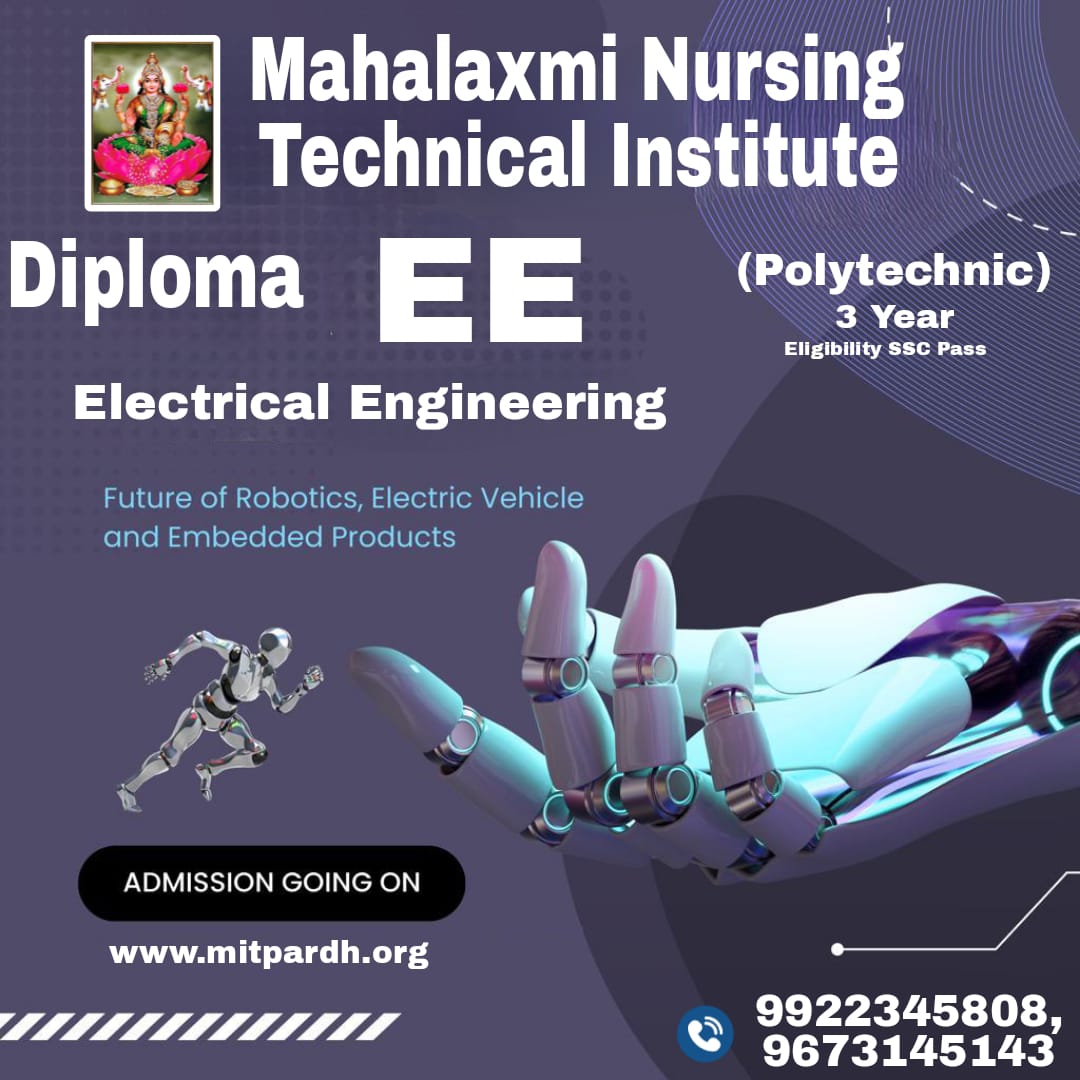
Diploma In Electrical Engineering Eligibility Criteria 10th Pass A Diploma in Electrical Engineering is a three-year undergraduate program focused on the practical application of concepts in electricity, electronics, and electromagnetism, equipping students with skills for designing, maintaining, and troubleshooting electrical systems and equipment in various industries like power generation, manufacturing, and telecommunications. Course Overview Duration: Typically a three-year course, divided into six semesters. Focus: The curriculum emphasizes the practical application of electrical engineering principles, covering fundamental subjects like electrical circuits, power systems, electronic devices, and electrical machines. Core Subjects: Common subjects include electrical circuits, power systems, electronics, control systems, electrical machines, power electronics, and renewable energy systems. Career Path & Opportunities Entry-Level Roles: Graduates can work as junior engineers, CAD engineers, or electrical design engineers. Industry Application: Opportunities exist in technical roles within power plants, electrical utilities, electronics manufacturing, automation industries, and telecommunications. Further Education: Graduates can also pursue a Bachelor of Technology (B.Tech) or specialized certifications to advance their careers. Eligibility Primary Qualification: Completion of the 10th standard (Matriculation) from a recognized board is a common requirement. Lateral Entry: Students who have completed 12th grade with a science background or hold a two-year ITI certificate can also gain admission through a lateral entry option A Diploma in Electrical Engineering offers benefits like faster entry into the workforce, a cost-effective education, and job-ready skills focused on industrial needs. Graduates gain hands-on experience, opening doors to diverse career paths in traditional and modern industries, including power generation, aerospace, and freelance work. The diploma also provides a flexible pathway for further education into degree programs and offers a foundation for higher salaries compared to other entry-level options. Career & Education Benefits Faster Entry into the Workforce: A diploma allows you to start your career and gain financial independence sooner than a bachelor's degree, often after only 2–3 years of study. Cost-Effective Education: Diploma programs are typically more affordable than full engineering degrees, making them a budget-friendly option for many. Job-Ready Skills: The curriculum emphasizes practical, industrial needs, equipping you with immediate, hands-on skills for the job market. Pathway to Higher Education: A diploma serves as a strong foundation, making it easier to transition into a B.Tech degree or other specialized certifications later in your career. Higher Salaries: Skilled electrical engineers can earn higher starting salaries compared to those in other professions. Work & Industry Benefits Wide Career Scope: Opportunities exist across various sectors, from power generation, transmission, and distribution to the aerospace industry and emerging technology domains. Hands-On Experience: The program provides valuable practical experience through real-world labs, industry visits, and project work, enhancing problem-solving skills. Versatile Skills: Electrical engineering provides transferable skills in areas like circuit design and signal processing, applicable in many different industries. Global Opportunities: The demand for electrical engineers is global, offering opportunities for international projects and work in different countries. Diverse Roles: Beyond traditional roles, you can pursue opportunities like freelancing as an electrician, managing installations, repairs, and maintenance for various clients. Personal & Future Benefits Innovative & Dynamic Work: Electrical engineering often involves working with cutting-edge technology, developing innovative products and systems, and providing opportunities to experiment and innovate on the job. Personal Development: The focus on practical application and industry requirements helps develop analytical and critical-thinking abilities.
This includes following
Register Here
-
 Videos
-
6 Chapter
-
Duration:36 Month
-
NA hour
-
Certificate : Yes