Overview:
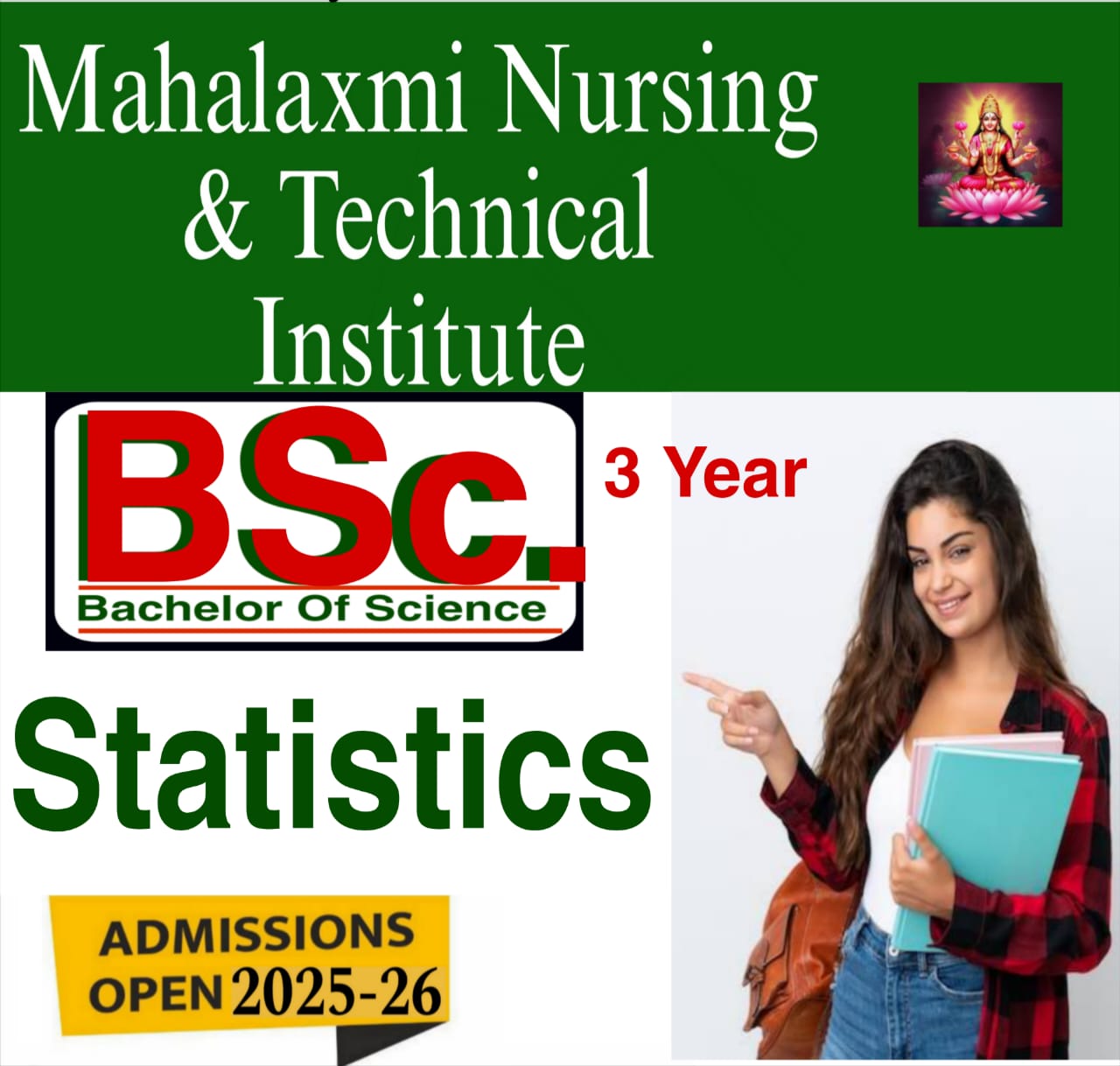
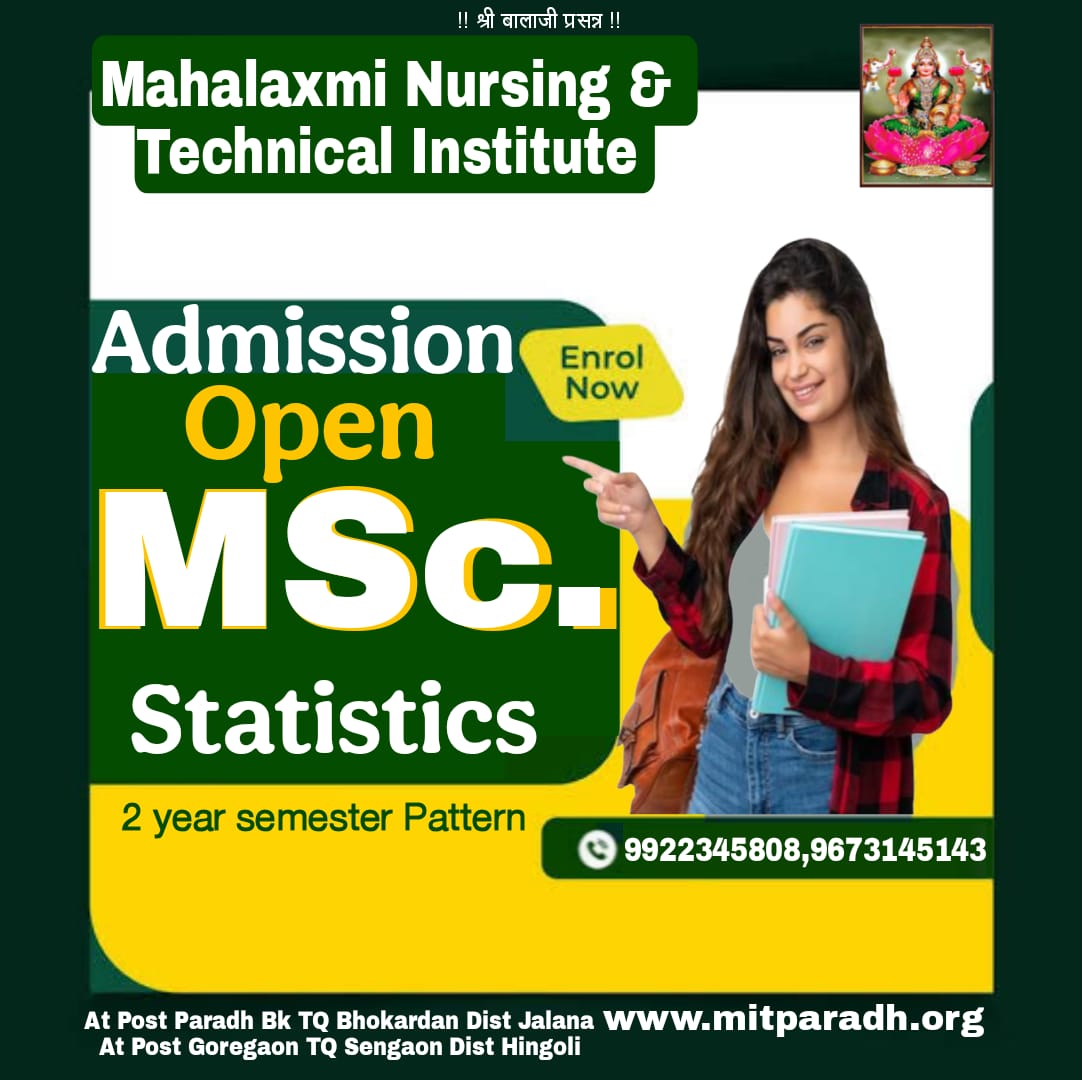
Bachelor Of Science Statistics Eligibility Criteria 12 th Science Pass Semester Pattern A Bachelor of Science in Statistics (BSc Statistics) is a three-year undergraduate program focused on the theory and application of statistical methods. It equips students with the skills to collect, analyze, interpret, and present data, which is crucial in various fields like finance, healthcare, market research, and government. The curriculum typically includes probability theory, regression analysis, data mining, and statistical computing. Key aspects of a BSc Statistics degree: Curriculum: BSc Statistics programs usually cover topics like probability, statistical inference, regression analysis, data mining, and statistical software like R or Python. Career Opportunities: Graduates can pursue careers as statisticians, data analysts, risk analysts, consultants, and more, in diverse industries. Eligibility: Typically, students need to have completed their 10+2 education with Mathematics as a compulsory subject. Here's a more detailed look at the benefits: Career Opportunities: High Demand: A BSc in Statistics equips you with skills highly sought after by employers in various industries, especially as data analysis becomes increasingly crucial. Diverse Sectors: You can pursue careers in finance (as a financial analyst, risk analyst), healthcare (as a biostatistician), technology (as a data analyst, data scientist), research, government, and more. Specific Roles: Some common roles include data analyst, statistician, data scientist, business analyst, research analyst, and actuarial analyst. Skill Development: Analytical and Problem-Solving: The degree program emphasizes developing strong analytical and problem-solving skills through the study of statistical methods and data analysis techniques. Mathematical and Computational Skills: You'll gain a solid foundation in mathematics and computational skills, which are essential for working with data. Decision-Making: The ability to interpret data and draw meaningful conclusions is a key skill developed through a statistics degree, leading to better decision-making abilities. Communication: You'll also learn to effectively communicate your findings, both written and verbally. Further Study: Postgraduate Degrees: A BSc in Statistics provides a strong foundation for pursuing advanced degrees like an MSc in Statistics, Data Science, or related fields, potentially opening up more specialized career paths. Other Benefits: Hands-on Experience: Many universities offer practical experience through projects, internships, and workshops, allowing you to apply your knowledge to real-world situations. Potential for High Income: With experience and specialization, statisticians and data scientists can earn high salaries, particularly in high-demand areas. Job Security: The growing reliance on data in various industries suggests a positive job outlook for statisticians and related professionals.
This includes following
Register Here
-
 Videos
-
6 Chapter
-
Duration:36 Month
-
NA hour
-
Certificate : Yes