Overview:
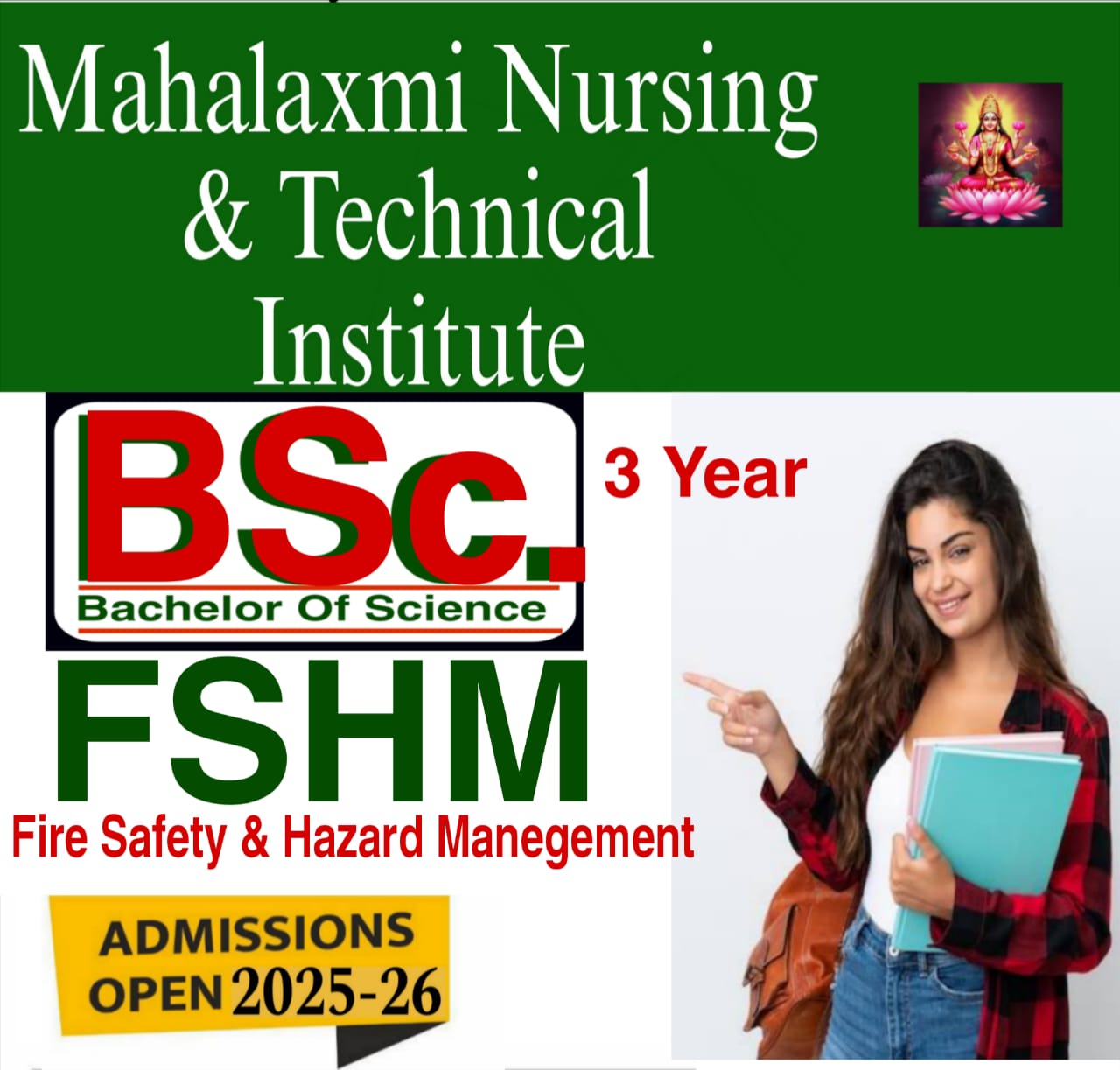
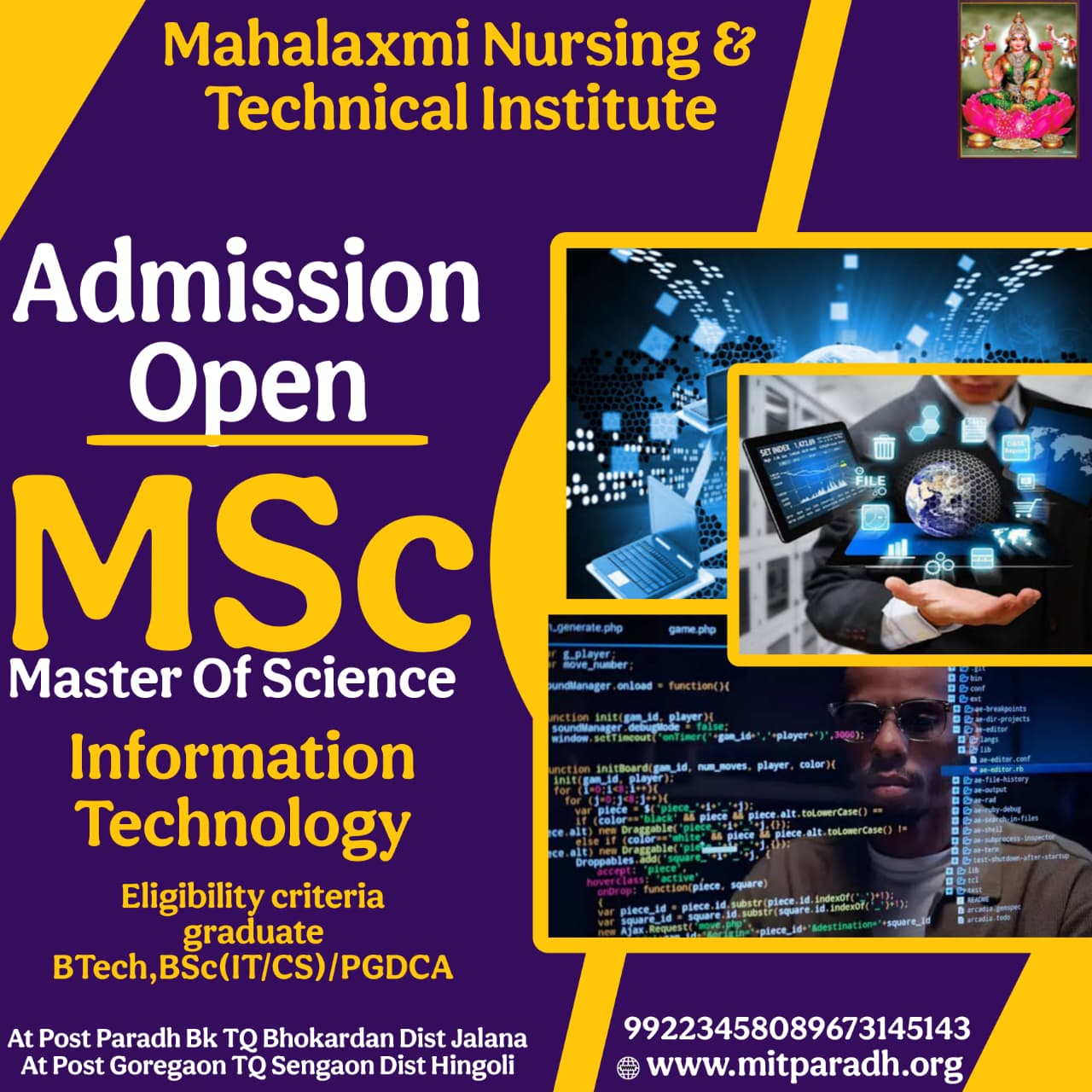
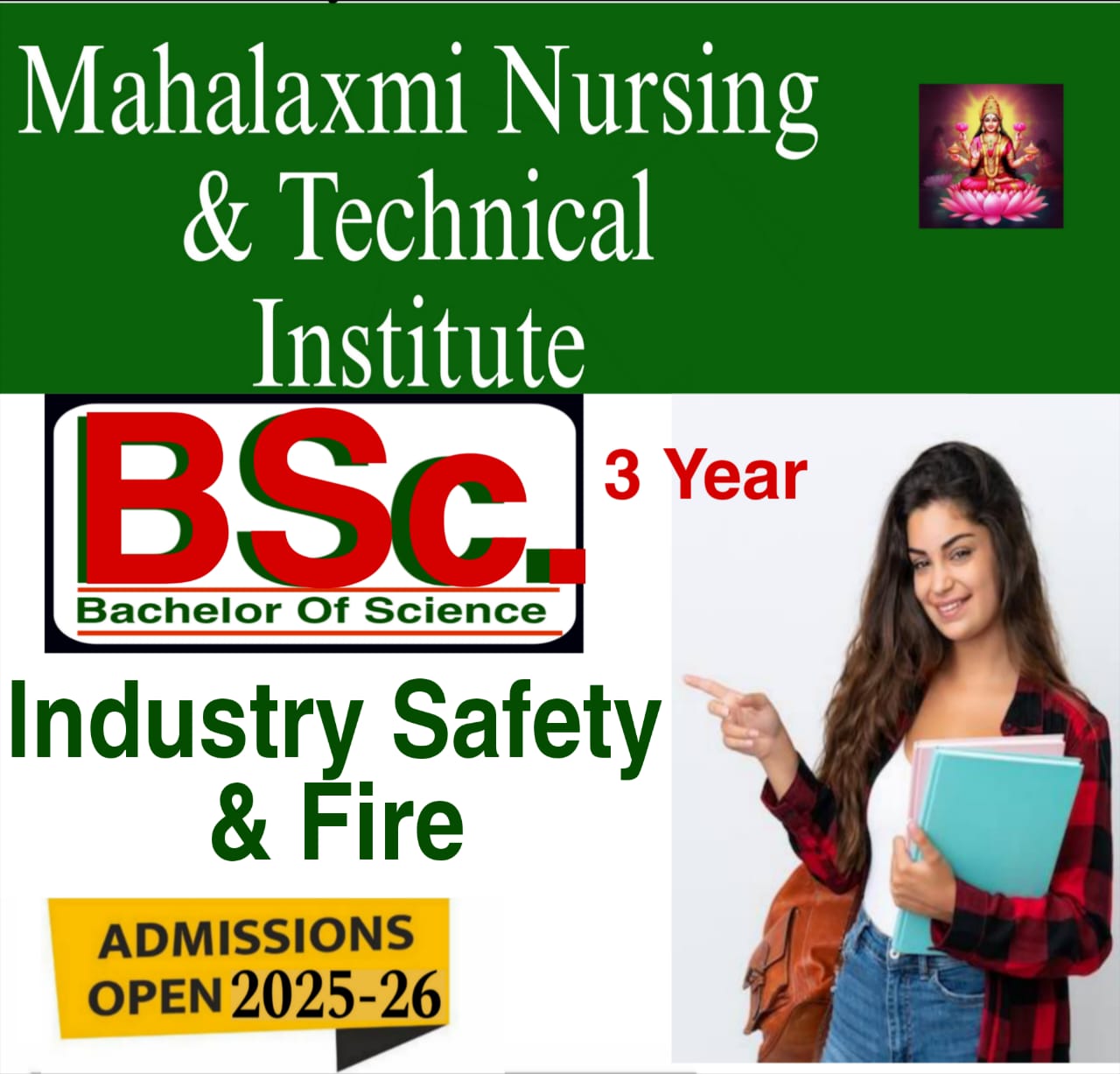
MSc In Industrial Safety And Fire Eligibility Criteria Graduation in Relevant Stream (BSc.Relevant Stream) An M.Sc. in Industrial Safety and Fire is a postgraduate degree program that teaches specialized skills in preventing and managing industrial accidents and fire risks. It covers topics like fire science, safety management, risk assessment, emergency planning, and legal regulations, preparing graduates for roles in safety management, fire protection, and risk analysis across various industries. The program typically requires a bachelor's degree for admission and includes a blend of theoretical knowledge and practical application through case studies and exercises. What the Program Teaches The curriculum for an M.Sc. in Industrial Safety and Fire focuses on: Fire Science & Prevention: Understanding fire dynamics, detection, suppression systems, and techniques to prevent fires. Industrial Safety Management: Principles of managing workplace hazards, ensuring worker safety, and implementing safety policies. Risk Management: Assessing and mitigating risks, hazardous materials handling, and developing emergency plans. Legal & Regulatory Framework: Learning about safety laws, compliance, and standards governing fire safety and industrial operations. Emergency Response & Planning: Skills in responding to industrial accidents, fire outbreaks, and other calamities. Equipment & Technology: Knowledge of fire and safety equipment and the systems used in safety and fire protection. Career Opportunities Graduates can pursue careers in various sectors, including: Fire Protection Engineering, Safety Management and Coordination, Industrial Safety Officer, Risk Analyst, and Emergency Response Management. Eligibility and Admission To be eligible, candidates usually need a bachelor's degree from a recognized university. Some programs may require a background in science or engineering. Why Pursue This Degree Career Advancement: It offers professional growth for individuals already in the safety field. Specialized Expertise: It provides in-depth knowledge and skills crucial for modern industrial safety. Passion for Safety: It's an ideal path for those with a strong interest in saving lives and property through effective risk management. An MSc in Industrial Safety and Fire enhances your qualifications by providing advanced knowledge and skills to create safer workplaces, reduce accidents and injuries, and manage fire risks in various industries. Key benefits include access to high-demand, respectable job roles such as Safety Managers or Fire Safety Officers, higher earning potential, and opportunities for career growth through expertise in compliance, risk assessment, and emergency response. This specialized degree equips you to protect both personnel and assets, leading to a stable, long-term career in a field essential to modern industries. Skill Development Comprehensive Safety Knowledge: You will gain detailed understanding of fire behavior, fire safety, fire risk evaluation, and fire suppression techniques. Advanced Practical Skills: The curriculum focuses on practical application, helping you develop the skills to manage various safety issues, perform risk assessments, and conduct emergency response. Risk Management: You'll learn how to evaluate and mitigate risks associated with industrial processes and work environments. Career Advancement & Job Opportunities High-Demand Roles: The degree opens doors to roles such as Safety Manager, Fire Safety Officer, Risk Assessor, and Emergency Response Planner in a wide range of industries. Industry-Wide Applicability: The principles of fire and industrial safety are crucial across many sectors, including manufacturing, construction, petrochemicals, and oil and gas, providing diverse career paths. Increased Employability: Employers in various sectors recognize and value qualified safety professionals, enhancing your credibility and making you a sought-after candidate. Economic Benefits Higher Earning Potential: Completing an MSc can lead to higher-paying jobs and increased income compared to other roles in the field. Job Security and Growth: The demand for skilled safety professionals is steadily growing, ensuring long-term career prospects and opportunities for rapid growth. Broader Impact Promote a Safety Culture: Graduates play a vital role in promoting a culture of safety within organizations, which reduces workplace accidents and injuries. Protect Workforce and Assets: You will be equipped to protect the workforce, resources, and assets of an organization by preventing accidents and managing hazards effectively.
This includes following
Register Here
-
 Videos
-
6 Chapter
-
Duration:36 Month
-
NA hour
-
Certificate : Yes