Overview:
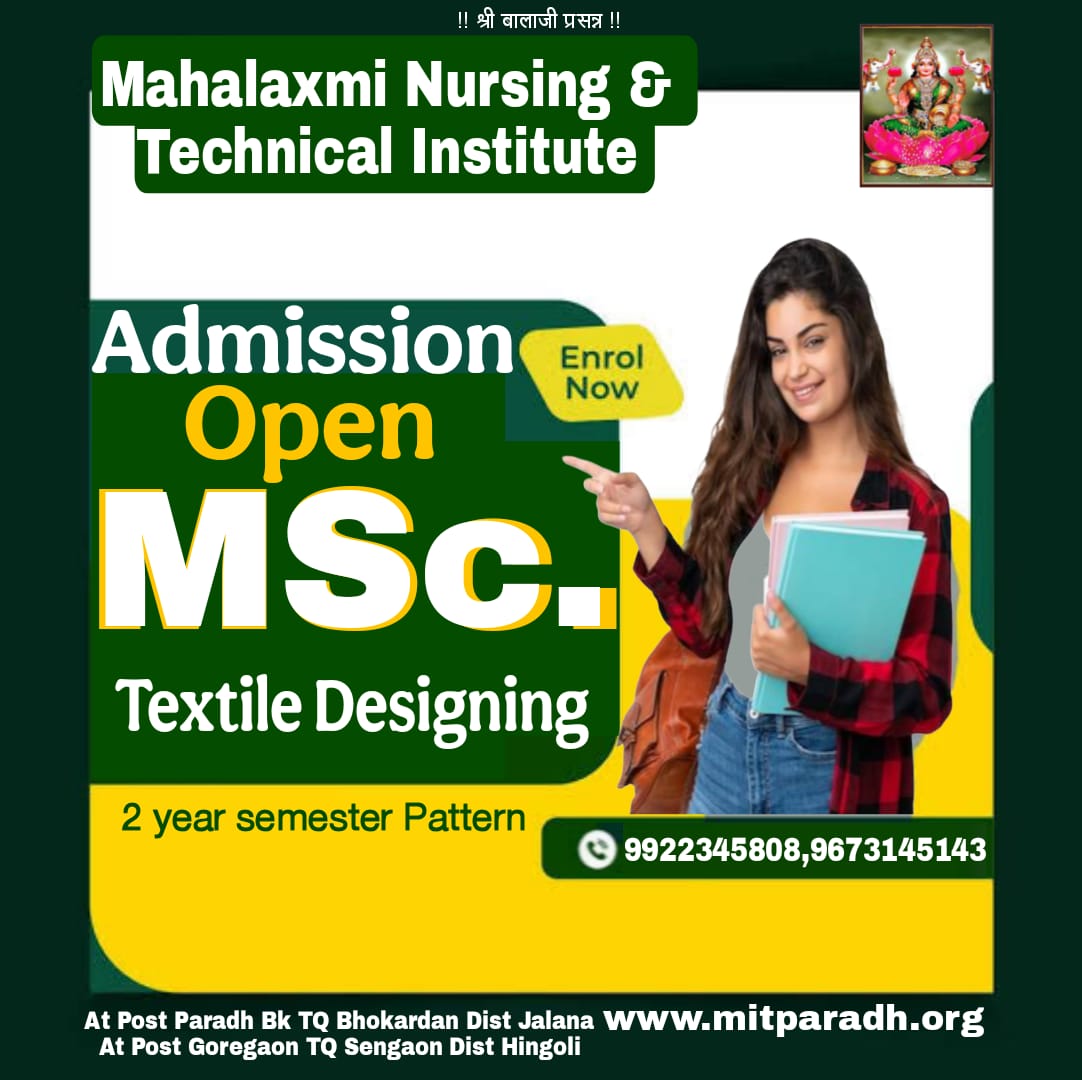
MSc In Textile Designing Eligibility Criteria Graduation in Relevant Stream (BSc.Relevant Stream) An M.Sc. in Textile Designing is a postgraduate degree that integrates creative design principles with textile technology, covering subjects like fabric formation, dyeing, printing, surface design, digital design software, and trend analysis. The program aims to equip graduates with expertise in textile design concepts, technological innovation, market understanding, and research skills for careers in fashion, home textiles, merchandising, and entrepreneurship. The curriculum emphasizes both artistic expression and the practical application of design skills using conventional and modern techniques. What You Will Learn An M.Sc. in Textile Designing typically covers a range of topics, including: Fabric Construction: Techniques for creating different textile structures. Dyeing and Printing: Processes for coloring and creating patterns on fabrics. Surface Design and Embellishment: Techniques to enhance fabric surfaces. Textile Design Software: Training on various tools for design conceptualization. Textile Quality Control: Understanding standards for fabric production. Trend Analysis and Forecasting: Learning to predict and incorporate future fashion trends. Design Conceptualization: Developing creative ideas and artistic expression. Career Opportunities Graduates of an M.Sc. in Textile Designing are prepared for diverse roles in the textile and fashion industry. Potential career paths include: Design Studios: Working as designers or illustrators. Merchandisers and Buyers: Sourcing and managing textile products for brands and retailers. Trend Forecasters: Analyzing trends for fashion and home textile brands. Home and Fashion Stylists: Creating aesthetic styles for different sectors. Entrepreneurs: Launching independent businesses in the textile industry. NGOs and Handloom Cooperatives: Working with traditional craft-based industries. Key Skills Developed The program helps students develop several valuable skills: Creativity and Artistic Expression: Fostering innovation and original designs. Technical Proficiency: Mastering both traditional and digital design tools. Material Exploration: Experimenting with a wide range of textile materials and processes. Market Awareness: Understanding commercial potential and global market requirements. Research Skills: Cultivating the ability to conduct independent research. An MSc in Textile Design offers benefits such as a competitive edge, higher earning potential, and diverse career paths in a growing industry, while disadvantages can include intense competition, high-pressure environments with tight deadlines, and the personal investment of time and money for the degree itself. The degree enhances creative and technical skills, expands professional networks, and provides opportunities for leadership and innovation in areas like sustainability and smart textiles. Benefits of an MSc in Textile Design Enhanced Career Prospects: A master's degree demonstrates advanced expertise, leading to better job opportunities and a competitive advantage in the global market. Increased Earning Potential: Graduates with a master's degree often command higher salaries compared to those with only a bachelor's. Diverse Career Paths: Graduates can pursue roles such as Creative Director, Production Development Manager, Fashion Consultant, or Quality Control Specialist. Skill Development: The program fosters creativity and provides a deep understanding of textile technology, allowing for experimentation with materials and innovative designs. Industry Networking: The program offers opportunities to connect with industry leaders, peers, and potential employers, creating valuable professional relationships. Innovation and Specialization: An MSc can prepare designers for the future of textile design, which involves creating sustainable, bio-based, and smart textiles. Disadvantages of an MSc in Textile Design High Competition: The textile design industry can be fiercely competitive, with many qualified candidates vying for limited positions. Demanding Work Environment: Designers often face high-pressure situations with tight deadlines and the constant need to stay ahead of trends. Time and Financial Investment: Pursuing a master's degree requires a significant commitment of time and financial resources. Career Uncertainty: Despite the advanced degree, some job growth in the broader fashion design field is projected to be slow, potentially leading to more candidates than jobs.
This includes following
Register Here
-
 Videos
-
6 Chapter
-
Duration:36 Month
-
NA hour
-
Certificate : Yes