Overview:
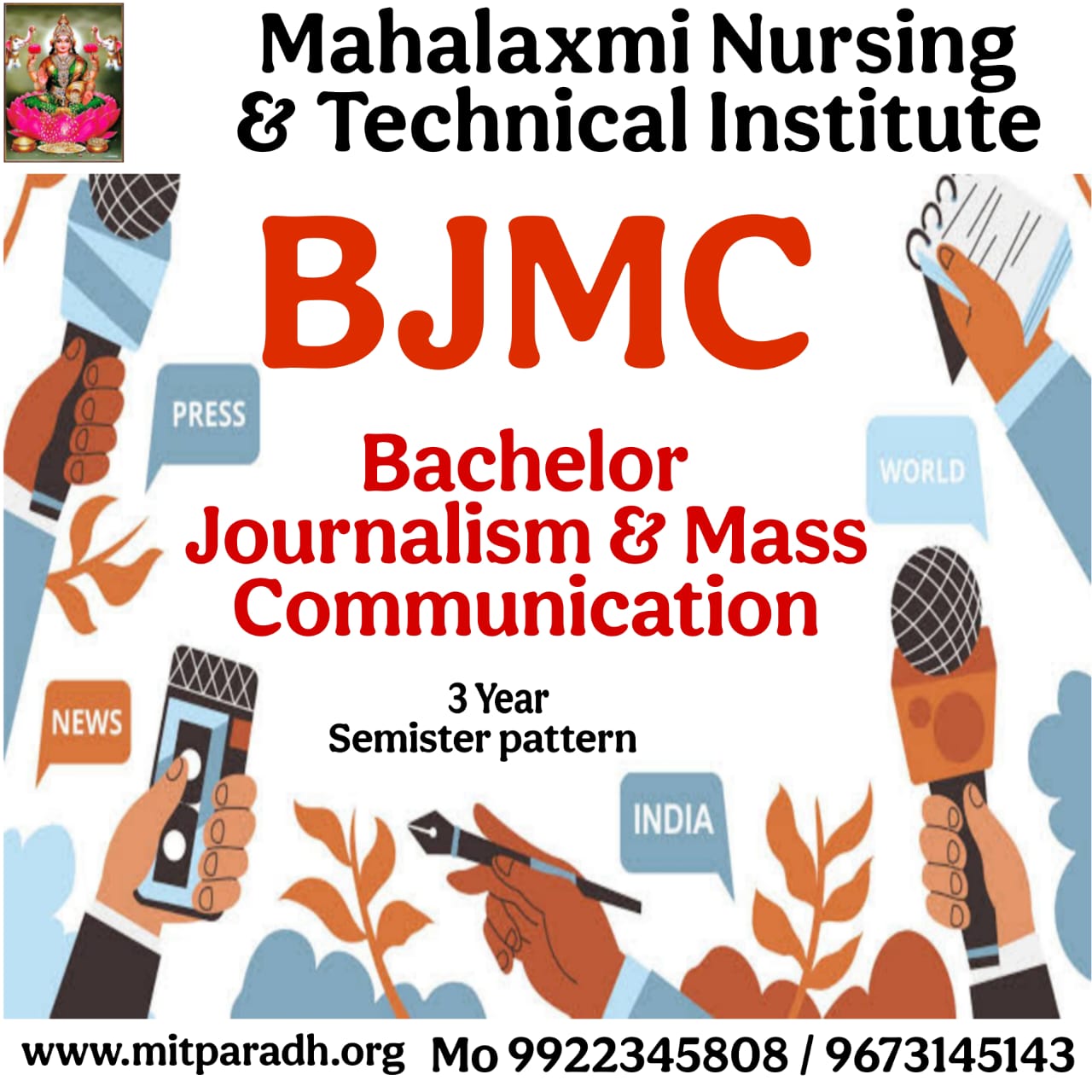
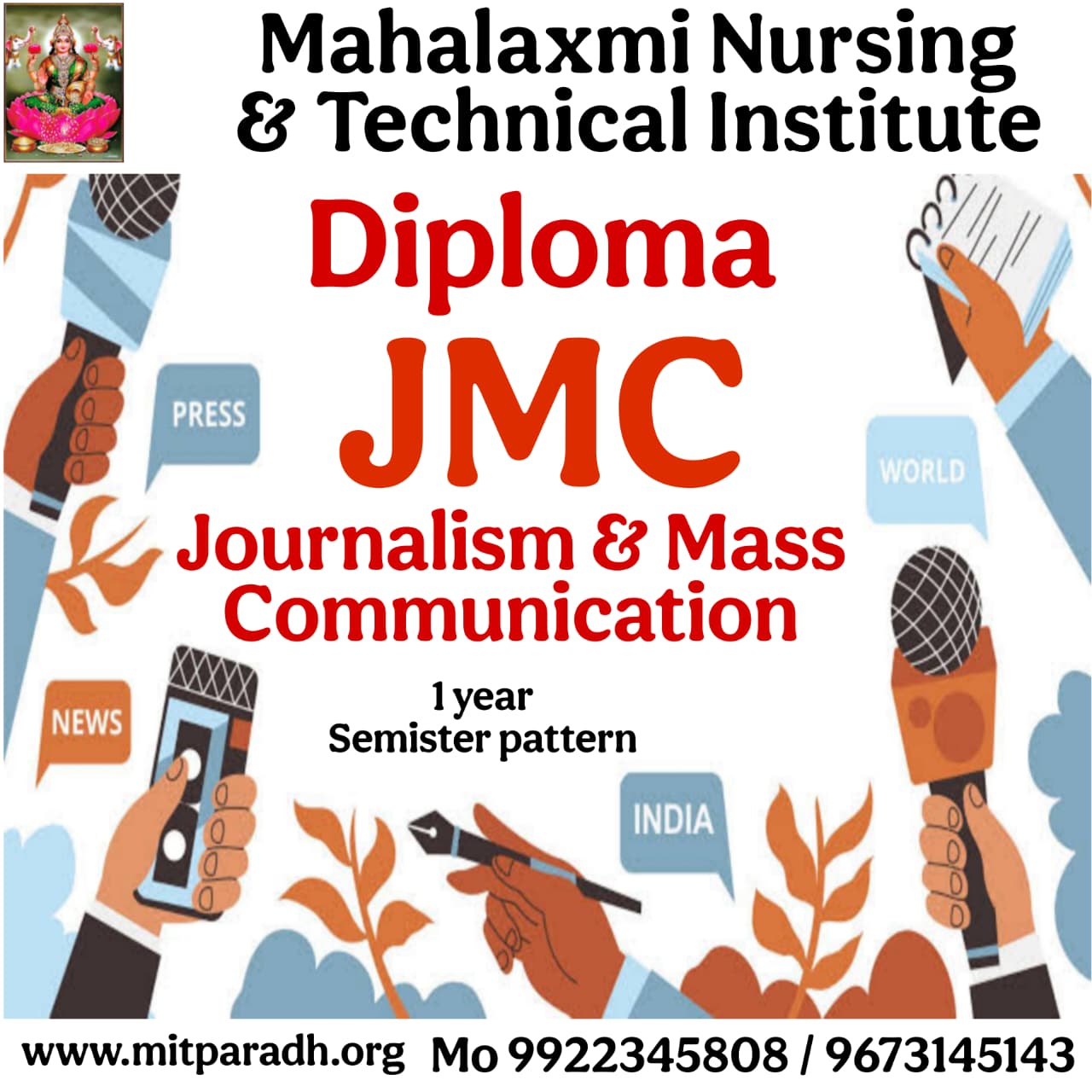
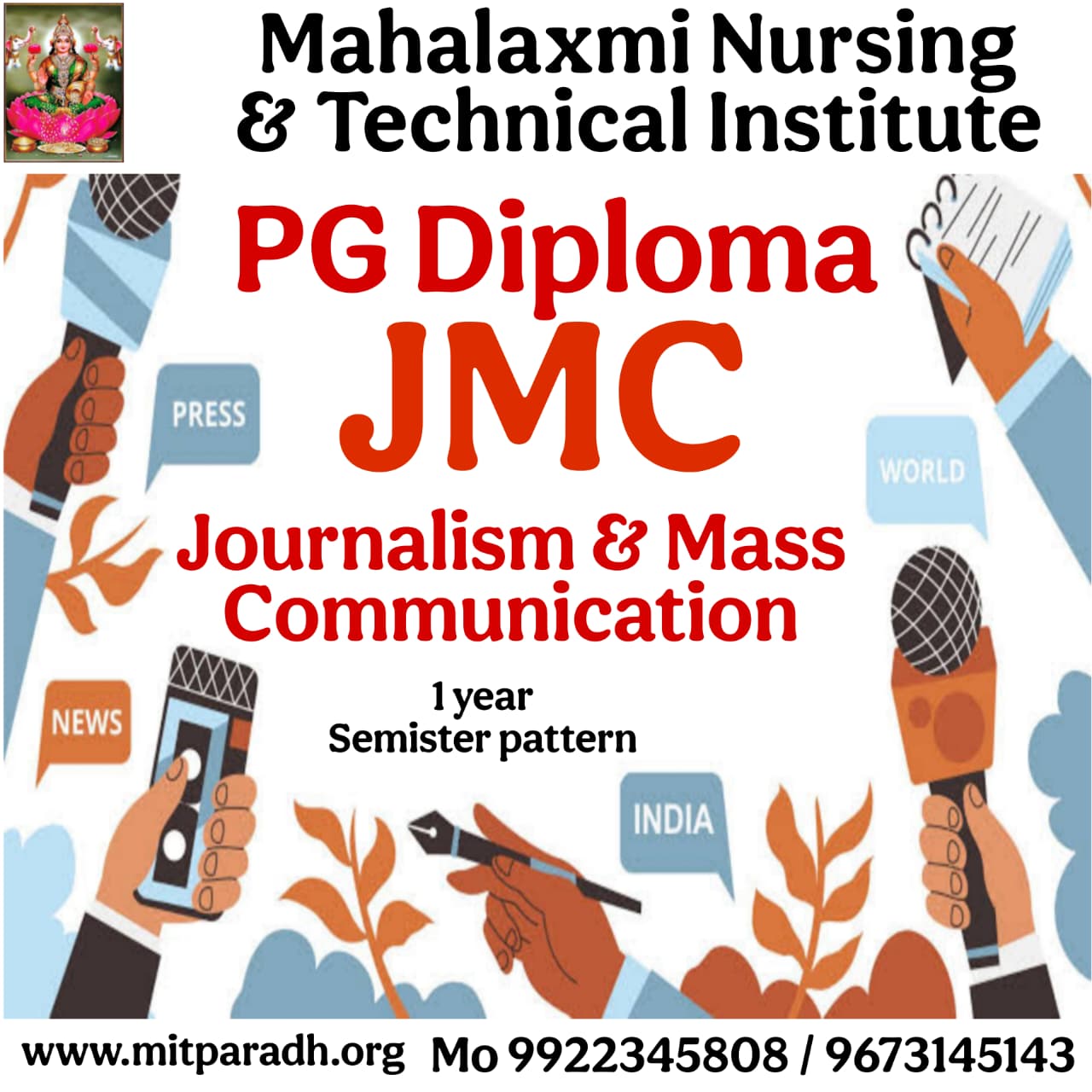
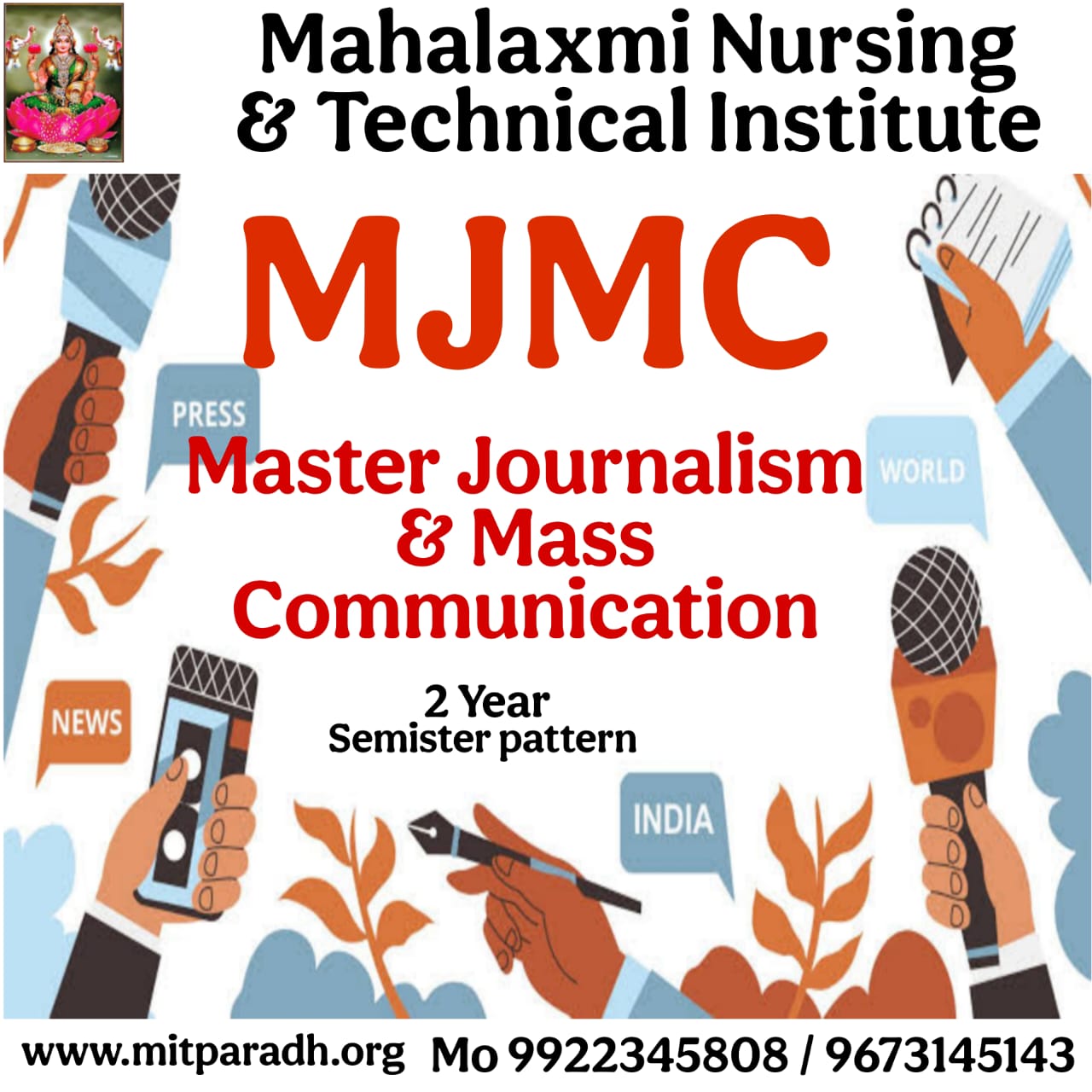
Bachelor Of Journalism And Mass Communication eligibility Criteria 12th Pass A Bachelor of Journalism and Mass Communication (BJMC) is an undergraduate degree program that blends theoretical knowledge with practical skills in journalism, public relations, advertising, digital media, radio, and television. The curriculum typically includes reporting, writing, editing, media ethics, media research, and new media technologies, preparing students for careers in various media sectors through hands-on training, workshops, and internships. What You Will Learn Journalistic Skills: Reporting, interviewing, investigative writing, editing, and news presentation. Media Production: Skills in digital media, broadcast production, radio, television, and filmmaking. Advertising & Public Relations: Understanding brand communication, audience engagement, and media strategies. Digital Media: New media trends, data journalism, social media marketing, and mobile journalism (MoJo). Media Ethics & Law: The social role of the media, ethical dilemmas, and legal responsibilities. Research & Analysis: Methods for media research, data analysis, and critical thinking about media content. Key Program Features Practical Training: Hands-on workshops, projects, and internships to build a professional portfolio and gain real-world experience. Industry Relevance: A curriculum designed to keep pace with emerging media trends and technologies. Career Exposure: Exposure to diverse fields such as print media, television, radio, digital media, advertising, and public relations. Skill Development: Focus on communication, leadership, analytical thinking, research, and problem-solving skills. Potential Career Paths Graduates can work as reporters, editors, producers, content writers, social media marketers, PR specialists, or media producers in print, broadcast, digital, and corporate media environments. A Bachelor of Journalism and Mass Communication (BJMC) degree offers diverse career paths in areas like journalism, PR, advertising, and digital media, provides a versatile skill set including critical thinking and communication, allows for travel and networking with professionals, and offers platforms for creativity and expression while keeping graduates informed about current events. The dynamic media landscape also presents entrepreneurial opportunities, enabling graduates to start their own ventures. Career & Financial Benefits Multiple Career Paths: The degree opens doors to numerous roles such as journalist, content writer, social media manager, public relations (PR) manager, and digital marketer. Entrepreneurial Opportunities: Graduates can start their own digital media agencies, blogs, or YouTube channels, leveraging their skills to create ventures. Lucrative Salaries: The field offers lucrative salary packages and opportunities for financial growth, with potential for high earnings based on experience. Skill Development & Personal Growth Versatile Skillset: Students acquire practical and theoretical skills in communication, media ethics, research, and technical expertise. Creative Expression: The course provides a platform to express creativity through various forms, from writing compelling stories to managing digital content. Professional Growth: The program cultivates leadership, teamwork, and critical thinking skills, along with a deeper understanding of media and its societal impact. Professional Network & Experience Networking Opportunities: The degree helps in expanding your professional network by connecting with industry professionals and influential personalities. Travel & Experience: Working in the media often involves travel, providing new experiences and exposure to different cultures and significant events. Industry Exposure: Partnerships with universities and industry provide real-world media exposure and corporate mentorship, preparing students for successful careers. Industry Relevance Keeps You Updated: The program ensures you stay updated with current affairs, latest trends, and evolving media technologies, which is crucial in the fast-paced media industry. Ethical Foundation: Journalism education places a significant emphasis on ethical considerations, ensuring graduates are responsible and accountable stewards of information.
This includes following
Register Here
-
 Videos
-
Chapter
-
Duration: Month
-
NA hour
-
Certificate :