Overview:
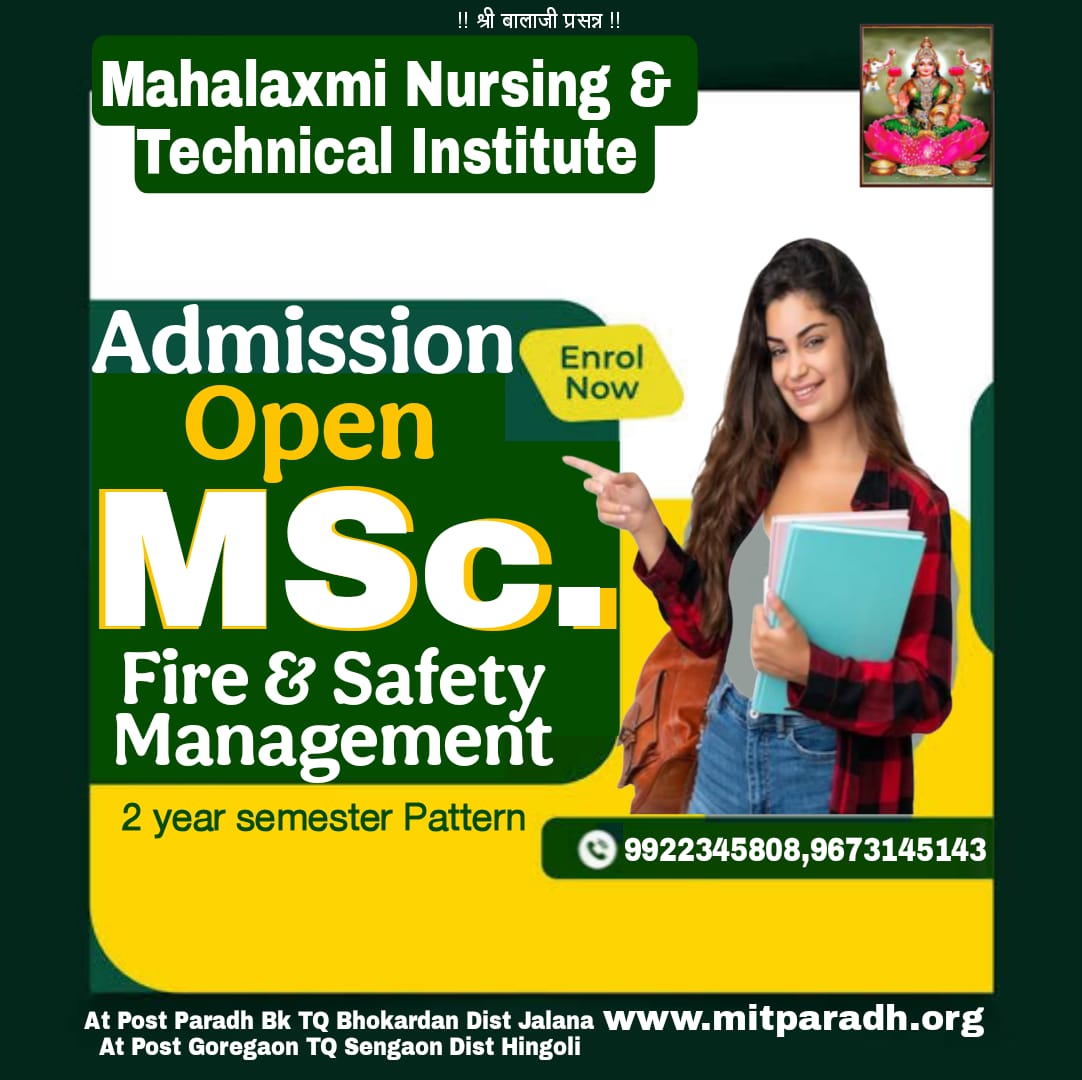
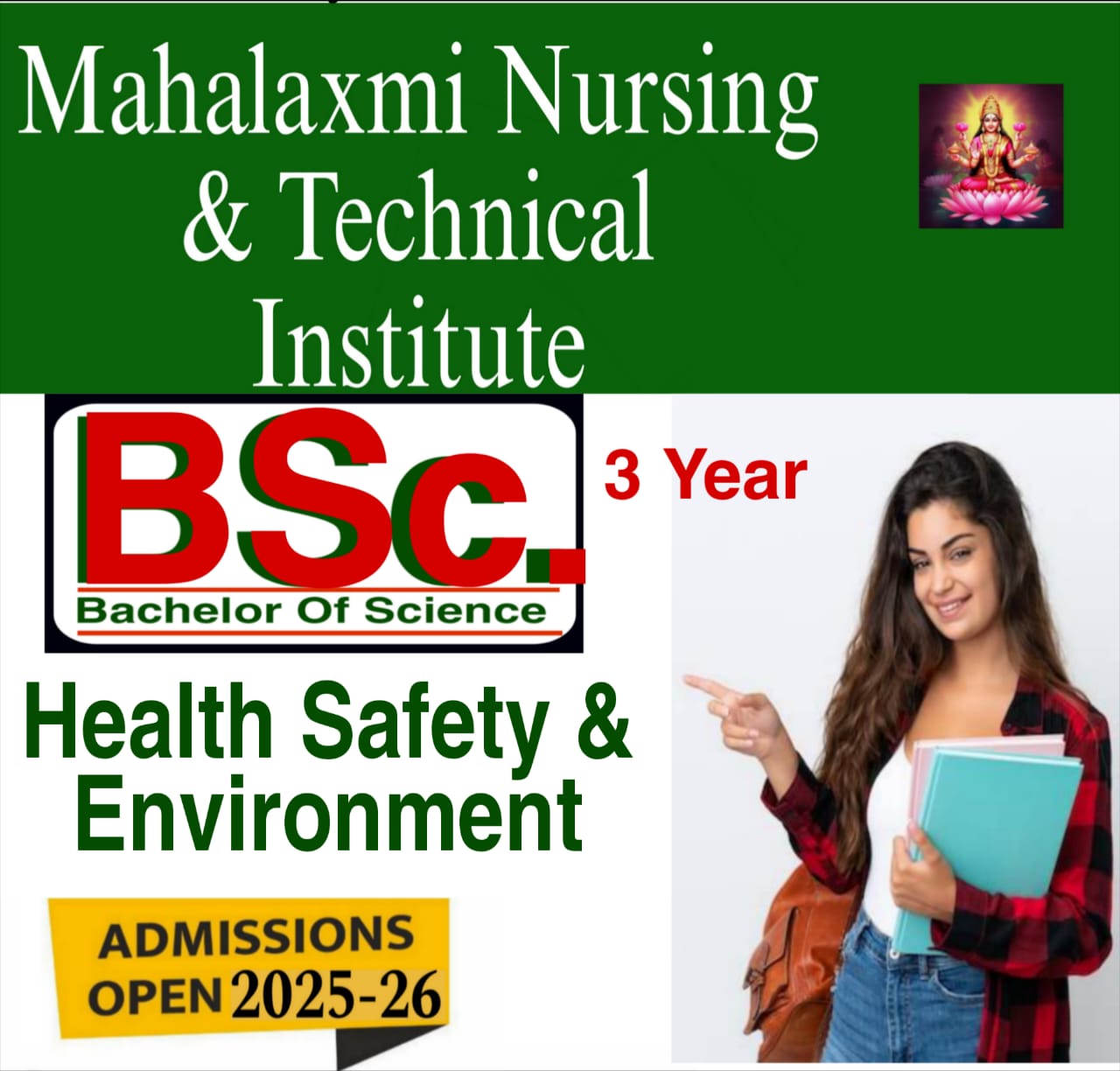
MSc In Health Safety And Management Eligibility Criteria Graduation in Relevant Stream (BSc.Relevant Stream) An MSc in Health, Safety, and Management (also known as MSc in Occupational Safety and Health, MSc in Health, Safety, and Environment, or similar variations) is a postgraduate degree that equips students with the knowledge and skills to manage health and safety in various environments, covering technical, managerial, economic, and legal aspects. The program typically lasts two years and involves a blend of lectures, practicals, and projects, preparing graduates for roles as health and safety practitioners in public and commercial sectors. Key Aspects of the Program Curriculum: The course often covers a broad range of subjects, including: Hazard Identification & Risk Assessment: Identifying, evaluating, and controlling risks in the workplace. Management Systems: Principles of managing health, safety, and environmental systems. Workplace Safety: Aspects of safety in different industrial and public environments. Hazardous Agents: Controlling exposure to hazardous substances and agents. Emergency Planning: Planning and responding to emergencies and incidents. Legal & Regulatory Frameworks: Understanding the legal and economic implications of safety management. Target Audience: The degree is suitable for graduates with backgrounds in engineering, health, psychology, business, or other technical fields who want to advance their careers in the field of safety and health. Career Prospects: This degree prepares students for roles in occupational health and safety management, such as: Health, Safety, and Environment (EHS) Managers. Safety Practitioners in various industries. Roles in construction, public sectors, and other commercial organizations. Program Format Duration: The program is typically a two-year course. Mode: It can be offered in full-time, part-time, or distance learning formats, catering to working professionals. Delivery: The learning experience often includes a mix of lectures, workshops, case studies, and group projects. As an Occupational Health and Safety (OHS) manager, you're already a vital cog in ensuring safe and healthy workplaces. But in today's complex and ever-evolving regulatory landscape, there's always room for growth and advancement. A Masters degree in Occupational Health, Safety and Environmental Management can be the catalyst that propels your career to new heights. This is proven by industry statistics also. For example, on average, professionals with a Masters degree in OHSEM can earn 20-30% more than those with a bachelors degree. Meanwhile check out SNATIKA's online Masters in Occupational Health, Safety and Environmental Management here. Top 10 Advantages of a Masters in Occupational Health, Safety and Environmental Management 1: Advanced Knowledge and Skills A Masters degree in Occupational Health, Safety and Environmental Management provides a deep dive into specialised areas of occupational health and safety. This advanced knowledge equips you to tackle complex challenges and make informed decisions. Specialised Knowledge Ergonomics: Learn how to design workplaces and tasks to fit the capabilities and limitations of workers, reducing the risk of musculoskeletal disorders. Industrial Hygiene: Gain expertise in identifying, evaluating, and controlling workplace hazards, such as chemical, physical, and biological agents. Toxicology: Understand the harmful effects of substances on human health and develop strategies to minimise exposure. Staying Updated with the Latest OHS Standards and Regulations The OHS field is constantly evolving, with new regulations and standards being introduced regularly. A Masters degree keeps you up-to-date with these changes, ensuring that your organisation remains compliant and protects its workforce. Global Standards: Learn about international standards like ISO 45001 and OHSAS 18001. Regulatory Compliance: Develop a deep understanding of local, national, and international regulations. Emerging Issues: Stay informed about emerging issues like nanotechnology, biotechnology, and climate change. 2: Enhanced Career Prospects According to the Bureau of Labor Statistics, the demand for occupational health and safety specialists is projected to grow 8% from 2021 to 2031, faster than the average for all occupations. A Masters degree in Occupational Health, Safety and Environmental Management opens doors to a wide range of career opportunities, including: Senior OHS Roles: Advance to leadership positions within your organisation, overseeing OHS programs and budgets. Consulting: Become an independent consultant, providing expert advice to organisations on OHS issues. Academia: Teach and research at universities and colleges, shaping the future of OHS education. Increased Earning Potential: Professionals with advanced degrees often command higher salaries and receive more lucrative benefits packages. A Masters degree can lead to significant salary increases, especially in specialised roles. Improved Job Security: In an increasingly competitive job market, a Masters degree can give you a competitive edge. Your advanced knowledge and skills make you more valuable to employers, reducing the risk of job loss. 3: Strategic Leadership A Masters degree in Occupational Health, Safety and Environmental Management develops your strategic thinking and decision-making skills, enabling you to become an effective leader in your organisation. Strategic Planning: Learn to develop and implement long-term OHS strategies that align with organisational goals. Risk Management: Gain expertise in identifying, assessing, and mitigating risks to protect your workforce and the environment. Change Management: Learn how to effectively manage change within your organisation, such as implementing new OHS initiatives or responding to regulatory changes. Leadership and Teamwork: Develop strong leadership and teamwork skills to motivate and inspire your team. By pursuing a Masters degree in Occupational Health, Safety and Environmental Management, you can position yourself as a valuable asset to your organisation and take your career to new heights. 4: Improved Problem-Solving Abilities Occupational Health and Safety (OHS) often presents complex challenges that require innovative solutions. A Masters degree in Occupational Health, Safety and Environmental Management equips you with the critical thinking and problem-solving skills necessary to address these challenges effectively. Root Cause Analysis: Learn advanced techniques to identify the underlying causes of accidents, incidents, and near-misses. Data-Driven Decision Making: Develop the ability to collect, analyse, and interpret data to inform decision-making. Systemic Thinking: Understand the interconnectedness of OHS systems and how changes in one area can impact others. Creative Problem Solving: Explore innovative approaches to addressing OHS challenges, such as implementing new technologies or developing innovative training programs. 5: Enhanced Communication and Interpersonal Skills Effective communication is essential for successful OHS management. A Masters degree in Occupational Health, Safety and Environmental Management develops your communication and interpersonal skills, enabling you to build strong relationships with colleagues, management, and stakeholders. Effective Communication: Learn how to communicate complex technical information to a diverse audience, including workers, managers, and regulators. Active Listening: Develop active listening skills to understand the concerns and needs of others. Persuasive Communication: Learn how to persuade others to adopt OHS initiatives and prioritise safety. Interpersonal Skills: Build strong relationships with colleagues, management, and external stakeholders to foster a positive safety culture. 6: Global Perspective A global perspective is crucial in today's interconnected world. A Masters degree in Occupational Health, Safety and Environmental Management provides you with a broader understanding of international OHS standards and practices. Global Standards: Learn about international standards such as ISO 45001 and OHSAS 18001. Cross-Cultural Communication: Develop the ability to communicate effectively with people from different cultural backgrounds. International Collaboration: Network with OHS professionals from around the world to share knowledge and best practices. Global Career Opportunities: Explore international career opportunities in organisations with global operations. By developing a global perspective, you can contribute to a safer and healthier world. 7: Network Building A Masters degree in Occupational Health, Safety and Environmental Management provides invaluable opportunities to connect with a diverse network of OHS professionals. These connections can be a valuable resource throughout your career. Alumni Networks: Many universities have active alumni networks that offer networking events, job postings, and mentorship opportunities. Industry Conferences and Workshops: Masters programs often provide opportunities to attend industry conferences and workshops, where you can connect with professionals from various organisations. Online Communities: Participate in online forums and social media groups to connect with OHS professionals from around the world. Benefits of Networking: Knowledge Sharing: Exchange ideas, best practices, and lessons learned with other OHS professionals. Career Opportunities: Network with recruiters, hiring managers, and other professionals who can help you advance your career. Mentorship: Seek guidance and advice from experienced OHS professionals. Collaboration: Collaborate on projects and research with other OHS experts. 8: Increased Credibility and Recognition A Masters degree in Occupational Health, Safety and Environmental Management can significantly enhance your professional credibility and recognition. Professional Designation: Earning a Masters degree can qualify you for professional designations, such as Certified Safety Professional (CSP) or Certified Industrial Hygienist (CIH). Expert Witness: With advanced knowledge and expertise, you may be called upon to serve as an expert witness in legal cases. Leadership Roles: A Masters degree can help you advance to leadership positions within your organisation. Public Speaking Opportunities: You may be invited to speak at conferences, webinars, and other events, increasing your visibility and reputation. 9: Lifelong Learning A Masters degree in Occupational Health, Safety and Environmental Management fosters a lifelong learning mindset, encouraging you to stay updated on the latest trends, technologies, and best practices. Continuous Professional Development: Pursue additional certifications and training to enhance your skills. Research and Innovation: Stay abreast of the latest research and innovative solutions in OHS. Adaptability to Change: Be prepared to adapt to changing regulations, technologies, and workplace trends. Personal and Professional Growth: Invest in your personal and professional development to achieve your full potential. By embracing a lifelong learning approach, you can stay ahead of the curve and contribute to a safer and healthier workplace. 10: Personal and Professional Growth A Masters degree in Occupational Health, Safety and Environmental Management offers significant opportunities for both personal and professional growth. By investing in your education, you can unlock your full potential and achieve your career goals. Personal Growth: Critical Thinking and Problem-Solving Skills: Advanced coursework challenges you to think critically, analyse complex problems, and develop innovative solutions. Enhanced Communication and Interpersonal Skills: Interacting with diverse groups of people, such as faculty, peers, and industry professionals, improves your communication and interpersonal skills. Time Management and Organization: Balancing work, family, and academic commitments helps you develop strong time management and organisational skills. Increased Confidence and Self-Esteem: Achieving a Masters degree boosts your confidence and self-esteem, making you more assertive and resilient. Professional Growth: Career Advancement: A Masters degree can open doors to leadership positions, consulting roles, and expert witness opportunities. Higher Earning Potential: Advanced degrees often lead to higher salaries and better job security. Networking Opportunities: Connect with industry professionals, alumni, and faculty to build valuable relationships. Lifelong Learning: Develop a lifelong learning mindset and stay updated on the latest trends and technologies in OHS. By pursuing a Masters degree in Occupational Health, Safety and Environmental Management, you can achieve a fulfilling and rewarding career while making a positive impact on the world.
This includes following
Register Here
-
 Videos
-
6 Chapter
-
Duration:36 Month
-
NA hour
-
Certificate : Yes