Overview:
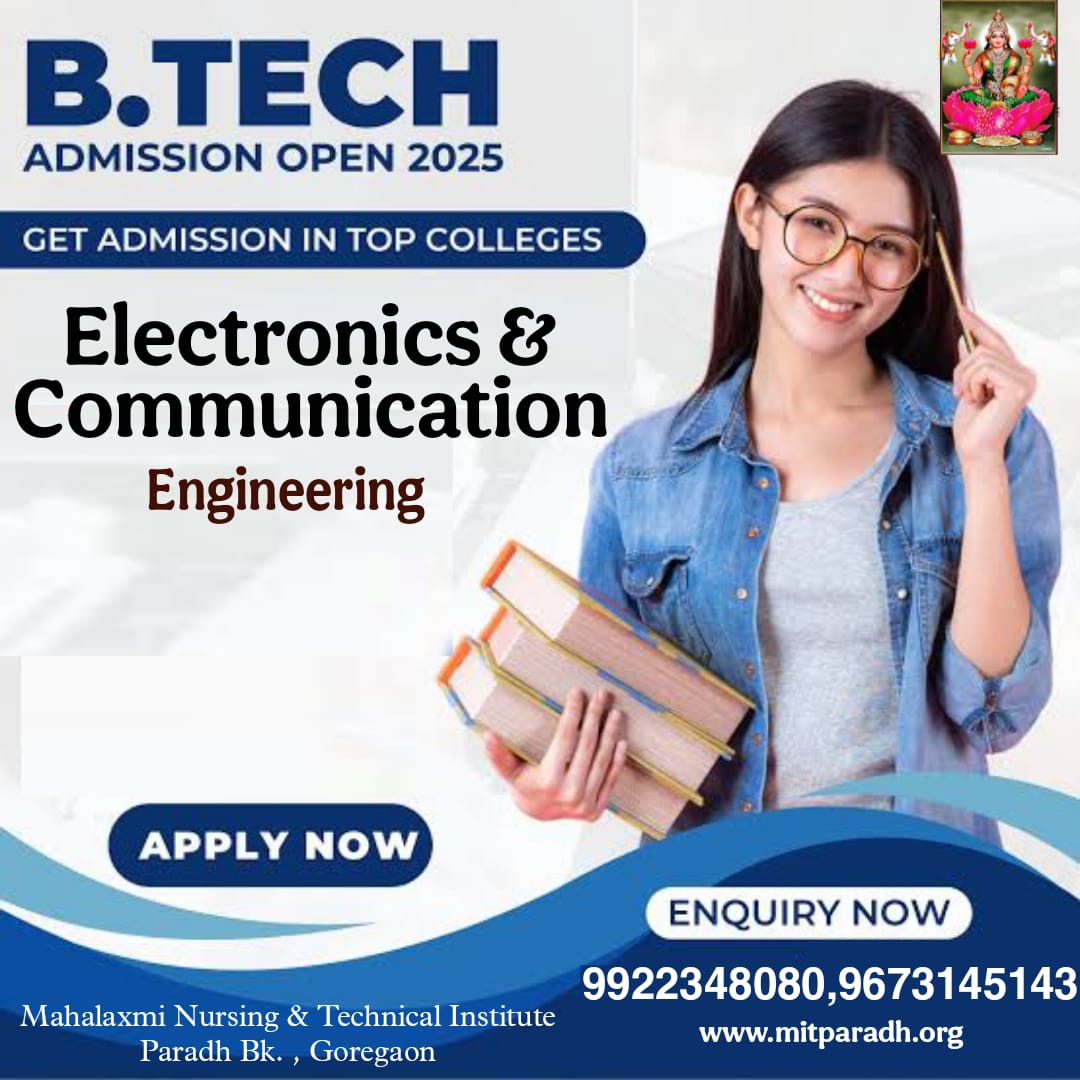
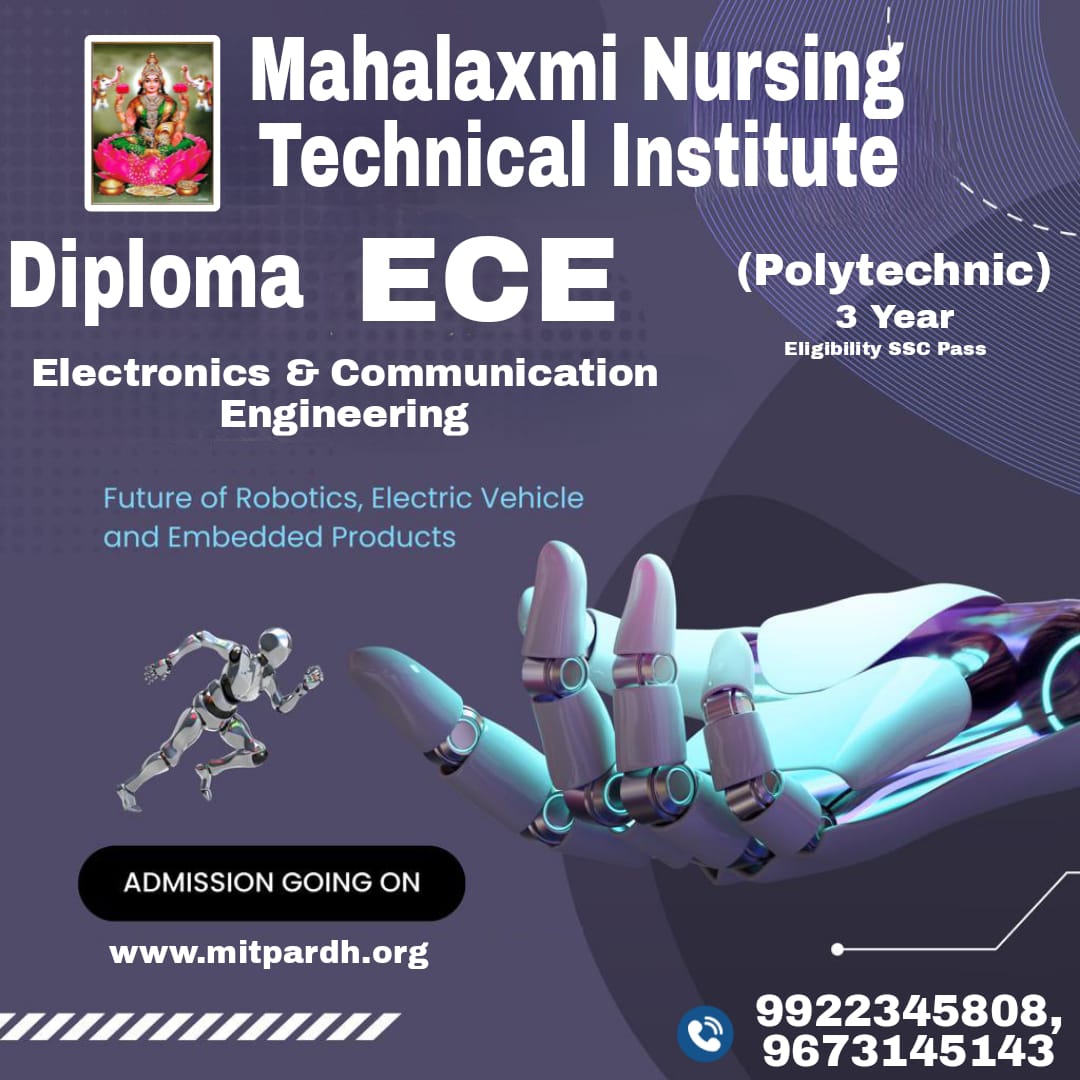
BTech In Electronics And Communication Eligibility Criteria 12th Science Pass With MHT-CET A B.Tech in Electronics and Communication Engineering (ECE) is a four-year undergraduate program focused on the design, development, testing, and maintenance of electronic devices and communication systems, including areas like semiconductors, embedded systems, and telecommunications. The program requires a background in Physics, Chemistry, and Mathematics for admission. Graduates find roles as Electronics Engineers, Telecommunication Engineers, VLSI Design Engineers, and Embedded Systems Engineers in industries ranging from telecommunications and consumer electronics to semiconductors and automotive. What You Will Learn The curriculum provides a strong foundation in key areas such as: Electronics and Circuits: Electronic devices and circuits, circuit analysis, and digital communication principles. Communication Systems: Analog and digital communication, telecommunications, and advanced wireless systems. Computer Systems: Microprocessors, microcontrollers, and embedded systems. Semiconductors and VLSI: Very Large-Scale Integration (VLSI) technology for designing integrated circuits. Signals and Systems: Concepts related to signals, systems, and their processing. Key Areas of Focus Semiconductor and Microelectronics: Designing integrated circuits (ICs) and components. Telecommunications: Working with technologies like mobile phones, satellite communication, and broadband. Embedded Systems: Developing systems with integrated hardware and software, as seen in robotics and automotive control. Internet of Things (IoT): Connecting devices and networks for data exchange. Career Opportunities Graduates of a B.Tech ECE program can pursue careers in: Telecommunication Companies: Working for telecom providers like Jio and Airtel. Electronics Manufacturers: Designing and developing consumer electronics with companies like Samsung and LG. Semiconductor Industry: Working on chip design with companies such as Qualcomm and Intel. Automotive Sector: Developing electronic systems for vehicles. Public Sector Undertakings (PSUs): Working for organizations like ISRO and BARC. Admission Eligibility: Typically requires passing the 10+2 examination (or equivalent) with Physics, Chemistry, and Mathematics as compulsory subjects. Entrance Exams: Admissions often involve entrance examinations such as JEE Main, state-level exams (like EAMCET), and university-specific tests. A BTech in Electronics and Communication Engineering offers significant benefits, including diverse career opportunities across technology-driven industries like telecommunications, consumer electronics, and automation, leading to lucrative salaries and job stability. The degree provides expertise in cutting-edge technologies, a strong foundation for higher studies or entrepreneurship, and the chance to positively impact society through innovation in areas like healthcare and robotics. Key Benefits Wide Career Scope: Graduates find opportunities in a broad range of fields, such as telecommunications, consumer electronics, semiconductor manufacturing, robotics, healthcare, and aerospace. High Demand & Growth: The increasing reliance on digital systems and communication networks ensures a strong job market and future-proof career prospects. Competitive Salaries: ECE graduates often command attractive salary packages, especially in the technology sector, which values their specialized skills. Expertise in Modern Technologies: The curriculum covers in-demand areas like 5G networks, cloud computing, embedded systems, and cybersecurity. Innovation & Impact: ECE professionals play a crucial role in developing new technologies that can positively impact society, from advanced medical devices to smart infrastructure. Entrepreneurship & Higher Education: The degree provides a solid foundation for starting your own technology-focused business or pursuing further specialization through a postgraduate degree. Skill Development: The program fosters critical thinking, problem-solving, teamwork, and adaptability to technological changes. Industries You Can Work In Telecommunications: Designing and maintaining phone, internet, and mobile networks. Consumer Electronics: Developing and manufacturing devices like smartphones, TVs, and tablets. Semiconductor Industry: Working on the design and production of integrated circuits and chips. Automotive & Robotics: Creating and implementing advanced systems in vehicles and automated machinery. Healthcare: Contributing to life-saving medical devices, telemedicine, and smart hospital systems. Aerospace and Defense: Working on avionics, satellite systems, and defense communication technologies. Information Technology (IT): Working with networks, internet technologies, and software development with a hardware-software focus.
This includes following
Register Here
-
 Videos
-
8 Chapter
-
Duration:48 Month
-
0 hour
-
Certificate : Yes