Overview:
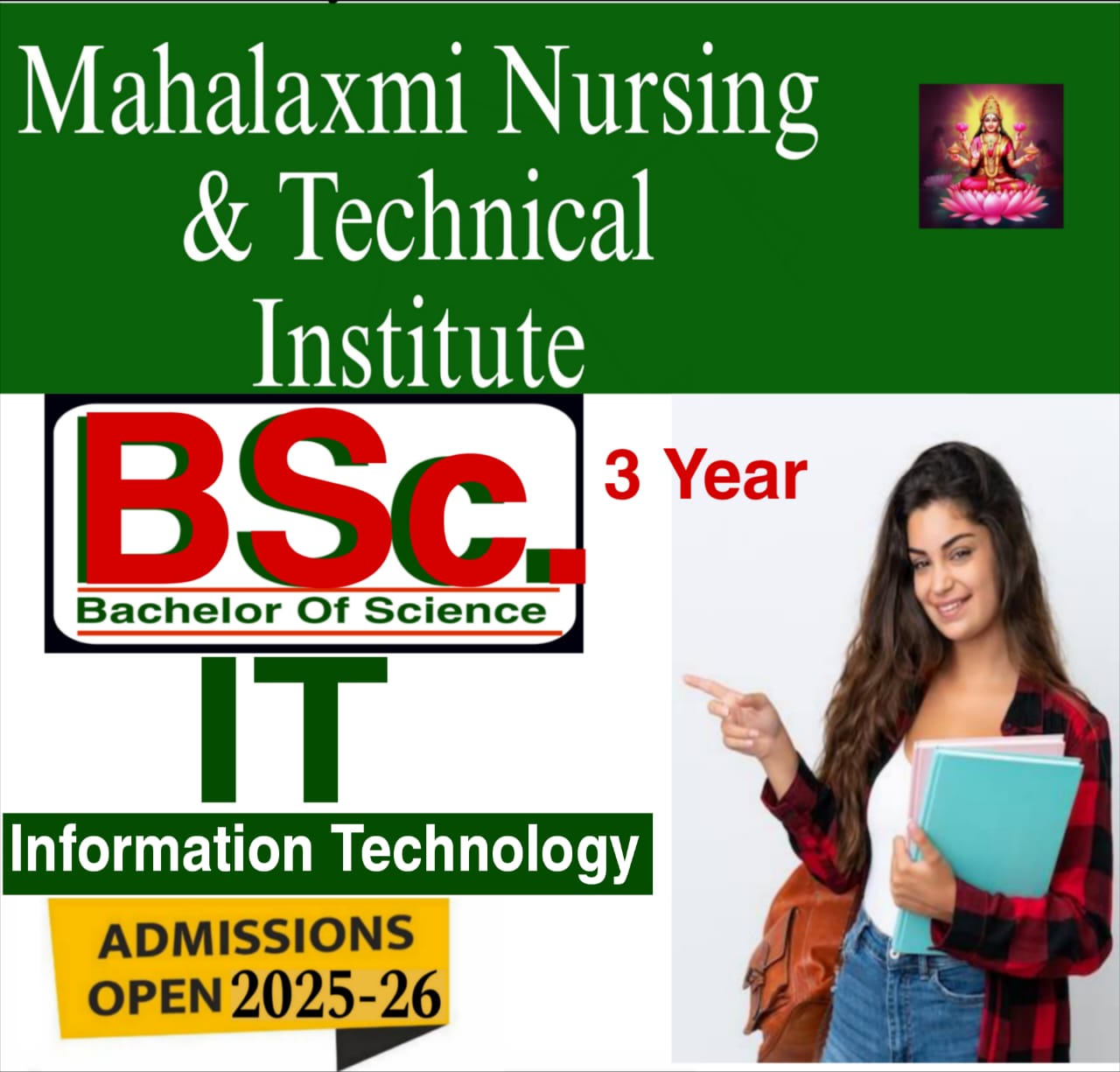
BSc Information Technology Eligibility Criteria 12 th Science Pass Semester Pattern A Bachelor of Science in Information Technology (B.Sc. IT) is a three-year undergraduate degree focused on the scientific and practical aspects of information technology, covering areas like computer programming, database management, networking, web development, and cybersecurity. The program equips students with theoretical knowledge and practical skills in storing, processing, securing, and managing information, preparing them for roles such as software developers, system analysts, and IT support professionals. What the Program Covers The curriculum for B.Sc. IT is designed to provide a strong foundation in IT and computer science. Common topics include: Foundational Concepts: Mathematics and statistics, foundation of information technology. Programming: Learning programming languages, data structures, and software development. Databases: Understanding database management systems (DBMS) and content management systems. Networking: Exploring network design, internet environment, and computer systems. Web Development: Covering web design principles and technologies. Cybersecurity: Introducing concepts of information security. Benefits and Career Opportunities A B.Sc. IT degree offers several advantages for students: Skill Development: Students sharpen their IT skills and gain the logical and analytical thinking abilities required in the tech industry. Adaptability: The program helps students stay adaptable in the rapidly changing technological landscape. Career Paths: Graduates can pursue careers in: Software Development System Analysis IT Support Quality Analysis Technology Engineering Eligibility and Further Studies Eligibility: Candidates must have passed 10+2 or an equivalent examination. Further Education: Graduates can pursue a Master of Science in Information Technology (M.Sc. IT) or a Master of Business Administration (MBA). A BSc IT provides a strong theoretical and practical foundation in IT skills, leading to diverse and high-demand career opportunities in fields like software development, cybersecurity, and data analytics. The degree offers excellent job stability and competitive salaries, with global prospects and a clear path for specialization and higher education in rapidly evolving tech areas such as AI and cloud computing. Career Opportunities Diverse Roles: A BSc IT degree prepares graduates for a wide array of positions, including IT Analyst, Database Administrator, Software Developer, Network Administrator, and Cybersecurity Professional. High Demand: The increasing global reliance on technology ensures a continuous demand for skilled IT professionals, creating a robust job market for BSc IT graduates. Industry-Wide Applications: IT skills are needed across various sectors, including finance, healthcare, education, government, and the technology industry itself. Skill Development Comprehensive Knowledge: The curriculum provides a well-rounded understanding of IT fundamentals, including programming, networking, database management, and cybersecurity. Practical & Skill-Based: The course is practical and skill-oriented, equipping students with hands-on experience and the specific tools needed to succeed in the modern IT workforce. Problem-Solving Skills: The degree fosters technical knowledge and problem-solving abilities essential for innovation and development in the fast-paced tech world. Career Growth and Stability Competitive Salaries: The IT industry is known for offering competitive salary packages, which generally improve with a BSc IT degree compared to non-degree holders. Job Stability: The growing reliance on technology ensures that there will be a continuous need for IT professionals, offering long-term career stability. Global Opportunities: A degree in IT opens doors to a global employment market, allowing graduates to pursue opportunities in various countries. Further Education and Specialization Foundation for Higher Studies: A BSc IT serves as an excellent foundation for pursuing advanced degrees, such as a Master of Science (MSc) in Information Technology. Specialized Paths: Graduates can specialize in high-demand areas like Artificial Intelligence (AI), Data Analytics, Cloud Computing, or Cybersecurity, leading to deeper expertise and more specialized job prospects.
This includes following
Register Here
-
 Videos
-
6 Chapter
-
Duration:36 Month
-
NA hour
-
Certificate : Yes