Overview:
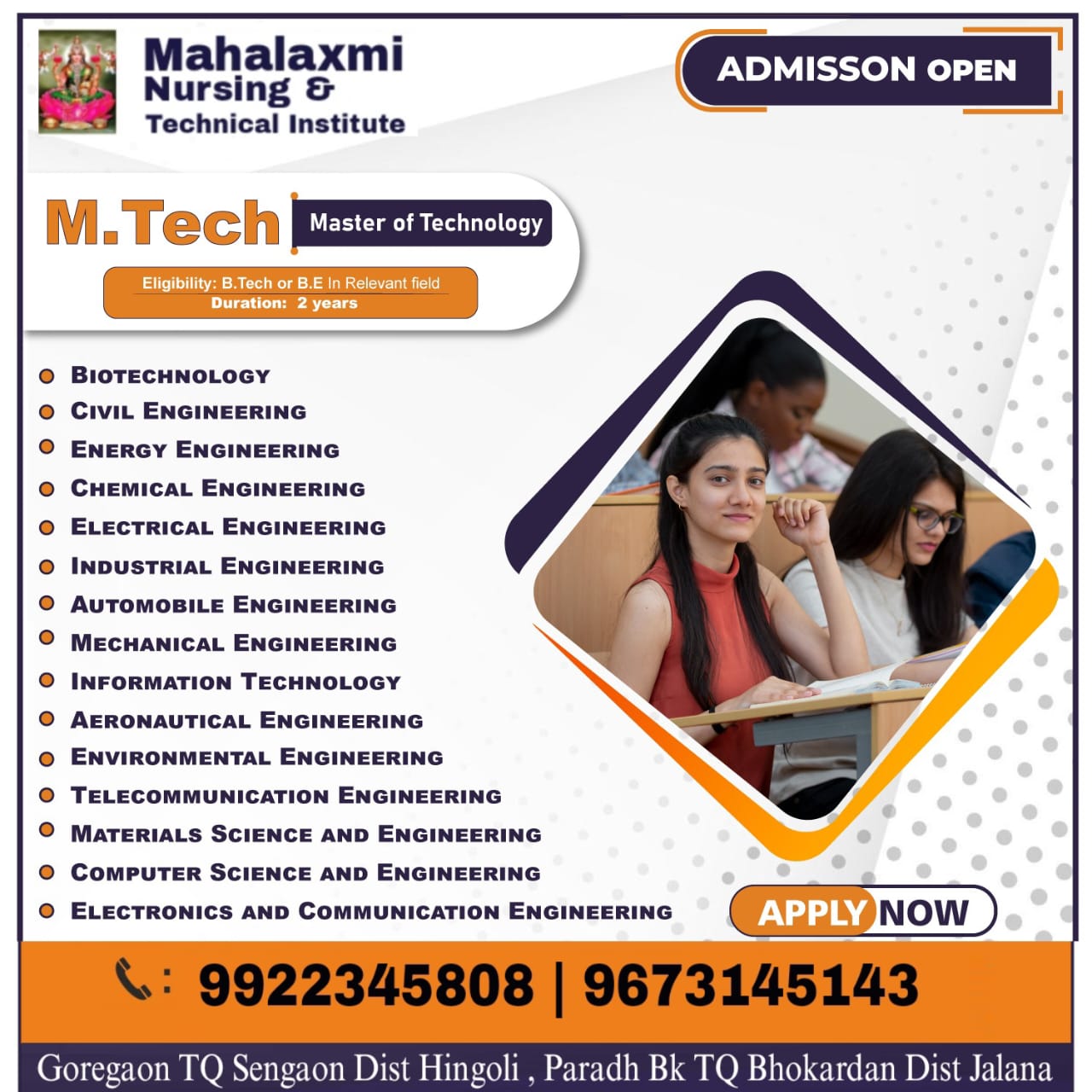
MTech Electronics And Communication Eligibility Criteria B.ech Or M.Sc In Relevant Stream (With Experience) M.Tech in Electronics and Communication is a two-year postgraduate program offering advanced knowledge in electronics and communication engineering, covering topics like VLSI design, embedded systems, signal processing, and wireless networks. Admission typically requires a B.E./B.Tech in a relevant discipline and is based on merit or entrance exams like GATE. Graduates can pursue careers in telecommunications, hardware design, or research and development, with specializations available in specific areas to meet industry demands. Course Details Duration: Typically a two-year program, often structured into four semesters. Curriculum: Focuses on advanced theoretical principles and practical applications, with coursework and a research component. Topics Covered: Electronic Devices and Circuits Communication Systems Digital Signal Processing Control Systems Computer Networks Microwave Engineering Microprocessors Satellite Communication Specializations: Programs often allow students to specialize in areas such as VLSI Design, Embedded Systems, Communication Systems, or Signal Processing. Eligibility Educational Qualification: A B.E. or B.Tech in a related field is generally required. Academic Performance: Minimum aggregate marks (e.g., 50-55%) are usually stipulated by the university. Admission Process Entrance Exams: Admission is often based on merit or a valid score on entrance exams, with GATE being a primary test accepted by many institutions. Other Exams: Candidates may also be eligible to appear for competitive exams for public sector units (PSUs) or government services. Career Opportunities Industry: Graduates find roles in telecommunications, consumer electronics, semiconductor design, embedded systems, automotive electronics, defense, and IT services. R&D: There are opportunities in research and development for new hardware, product development, and technological innovation. Academic Paths: Graduates can also pursue Ph.D. programs and become lecturers or assistant professors. Key Roles: Communication System Engineers, Wireless Network Engineers, Embedded Systems Developers, IoT Engineers, Signal Processing Engineers, and Satellite Communication Specialists are common job titles. An M.Tech in Electronics and Communication (ECE) offers benefits including specialized technical expertise, leading to higher earning potential and better job security in high-growth sectors like telecommunications and digital infrastructure. It provides access to diverse and advanced roles in areas such as VLSI design, embedded systems, and signal processing, with opportunities in both the public and private sectors, and positions graduates for research and development, international exposure, and further academic pursuits like a PhD. Career Advantages Specialized Expertise: The degree provides in-depth knowledge in specific ECE fields, making you an expert in areas like VLSI design, embedded systems, signal processing, and digital communications. Higher Earning Potential: M.Tech graduates often secure higher-paying jobs compared to those with a B.Tech degree, especially in core engineering fields. Increased Job Security: The demand for skilled ECE professionals remains high in the rapidly evolving telecommunications and electronics industries, offering excellent job security. Diverse Career Paths: You can find opportunities in telecommunications, electronics manufacturing, IT, banking, defense, healthcare, and more. Access to Advanced Roles: Graduates are qualified for positions like embedded systems engineer, signal processing engineer, VLSI design engineer, or communication systems engineer. Industry & Innovation Benefits High-Growth Industries: You can work in the fast-growing telecommunications sector and related fields like the internet of things (IoT), which have a significant demand for skilled individuals. Focus on Innovation: The curriculum emphasizes emerging technologies, preparing you for roles in research and development to drive innovation in wireless technology, satellite communication, and more. Research and Development (R&D) Opportunities: The master's degree provides a strong foundation for pursuing advanced research in collaborations with professors or government projects. Personal & Academic Benefits Enhanced Skills: You develop critical thinking, problem-solving, teamwork, and project management skills, which are valuable across many professions. International Exposure: M.Tech ECE programs can offer international exposure and opportunities for working in a global environment. Foundation for Further Studies: The degree is an excellent platform for pursuing a PhD or further specialized studies from top global institutions. Academic & Research Roles: Graduates are well-suited for roles in academic and research institutions, contributing to the advancement of the field.
This includes following
Register Here
-
 Videos
-
4 Chapter
-
Duration:24 Month
-
NA hour
-
Certificate : Yes